
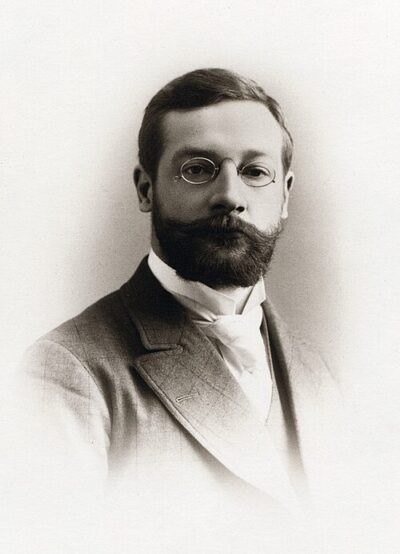
Edward B. Titchener
Edward B. Titchener was an American psychologist. Born January 11, 1867, in Chichester. Died August 3, 1927, in Ithaca. Educated at Clark University and The Prebendal School.
Facts
15 facts · 2 confirmed by two sources · 2 cited · 11 from one source
Where this comes from
Papalocal keeps its own record. It started from these sources; what each one said is kept here as it was copied, so a change on their side never changes this page by itself. Tap one to read its version.
What Wikidata says · copied November 15, 2026 · revision 2561119434
- Described as
- American psychologist (1867–1927)
- Other names
- E. B. Titchener, Edward Bradford Titchener, Edward Titchener
- Born
- January 11, 1867 · 6 references
- Died
- August 3, 1927 · 5 references
- Born in
- Chichester
- Died in
- Ithaca
- Citizen of
- United Kingdom; United States
- Occupation
- philosopher; psychologist · 1 reference; university teacher
- Worked for
- Cornell University
- Education
- Clark University; The Prebendal School; Leipzig University · 1 reference
- Field
- psychology
- Children
- John Bradford Titchener
- Wikipedias with a page
- 37
Wikidata item Q380456 (wikidata.org/wiki/Q380456), public domain (CC0). Copied November 15, 2026.
What Wikipedia says · copied November 15, 2026 · revision 1385394471
Edward Bradford Titchener (11 January 1867 – 3 August 1927) was an English psychologist who studied under Wilhelm Wundt for several years. Titchener is best known for creating his version of psychology that described the structure of the mind: structuralism. After becoming a professor at Cornell University, he created the largest doctoral program at that time in the United States. His first graduate student, Margaret Floy Washburn, became the first woman to be granted a PhD in psychology (1894).
- Born, in its opening lines
- January 11, 1867
- Died, in its opening lines
- August 3, 1927
From the Wikipedia article “Edward B. Titchener” (en.wikipedia.org/wiki/Edward_B._Titchener), by its contributors, under CC BY-SA 4.0 (creativecommons.org/licenses/by-sa/4.0/). Copied November 15, 2026; not changed.
Confirmed Two sources agree. Cited One source, and it names where it got it. One source One source, without a reference of its own. Sources disagree The sources disagree. We show the best-supported value and keep theirs below.
