
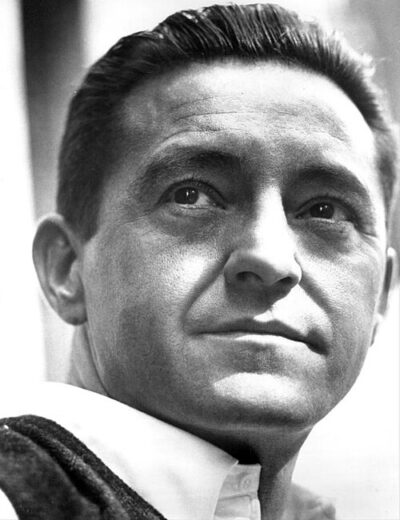
Edward Binns
Edward Binns was an American actor. Born September 12, 1916, in Philadelphia. Died December 4, 1990, in Brewster. Educated at Pennsylvania State University and Westtown School.
Facts
14 facts · 2 confirmed by two sources · 2 cited · 10 from one source
Where this comes from
Papalocal keeps its own record. It started from these sources; what each one said is kept here as it was copied, so a change on their side never changes this page by itself. Tap one to read its version.
What Wikidata says · copied November 16, 2026 · revision 2567693537
- Described as
- American actor (1916–1990)
- Other names
- Ed Binns
- Born
- September 12, 1916 · 5 references
- Died
- December 4, 1990 · 5 references
- Born in
- Philadelphia · 1 reference
- Died in
- Brewster
- Cause of death
- myocardial infarction
- Citizen of
- United States
- Occupation
- stage actor; film actor; television actor; actor · 2 references
- Education
- Pennsylvania State University; Westtown School · 1 reference
- Spouse
- Elizabeth Franz (1984–1990); Katherine Dain Binns
- Wikipedias with a page
- 20
Wikidata item Q1291706 (wikidata.org/wiki/Q1291706), public domain (CC0). Copied November 16, 2026.
What Wikipedia says · copied November 16, 2026 · revision 1380360698
Edward Binns (September 12, 1916 – December 4, 1990) was an American actor. He had a wide-spanning career in film and television, often portraying competent, hard working and purposeful characters in his various roles. He is best known for his work in such acclaimed films as 12 Angry Men (1957), North by Northwest (1959), Judgment at Nuremberg (1961), Fail Safe (1964), The Americanization of Emily (1964), Patton (1970) and The Verdict (1982).
- Born, in its opening lines
- September 12, 1916
- Died, in its opening lines
- December 4, 1990
From the Wikipedia article “Edward Binns” (en.wikipedia.org/wiki/Edward_Binns), by its contributors, under CC BY-SA 4.0 (creativecommons.org/licenses/by-sa/4.0/). Copied November 16, 2026; not changed.
Confirmed Two sources agree. Cited One source, and it names where it got it. One source One source, without a reference of its own. Sources disagree The sources disagree. We show the best-supported value and keep theirs below.
