
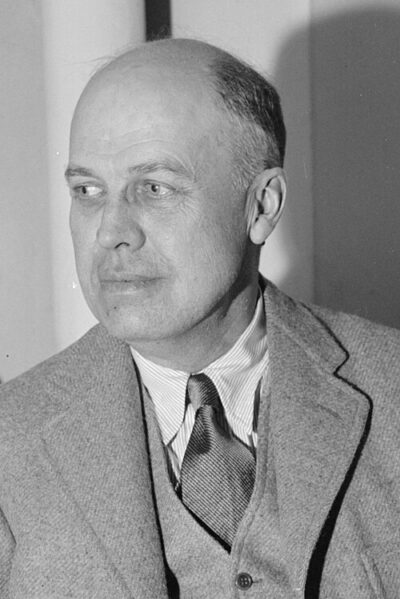
Edward Hopper
Edward Hopper was an American realist painter and printmaker. Born July 22, 1882, in Nyack. Died May 15, 1967, in New York City. Known for House by a Road, Nighthawks and Room in New York. Educated at Parsons School of Design and Nyack High School. Awards include Logan Medal of the Arts.
Facts
25 facts · 2 confirmed by two sources · 13 cited · 10 from one source
Where this comes from
Papalocal keeps its own record. It started from these sources; what each one said is kept here as it was copied, so a change on their side never changes this page by itself. Tap one to read its version.
What Wikidata says · copied November 13, 2026 · revision 2561447786
- Described as
- American realist painter and printmaker (1882-1967)
- Born
- July 22, 1882 · 14 references
- Died
- May 15, 1967 · 16 references
- Born in
- Nyack · 3 references
- Died in
- New York City · 2 references
- Buried in
- Oak Hill Cemetery · 1 reference
- Citizen of
- United States · 1 reference
- Occupation
- painter · 2 references; draftsperson · 2 references; graphic artist · 1 reference; illustrator · 2 references
- Education
- Parsons School of Design (1900–1906) · 1 reference; Nyack High School · 1 reference
- Member of
- American Academy of Arts and Letters
- Genre
- genre painting · 2 references; architectural painting · 2 references
- Known for
- House by a Road; Nighthawks · 1 reference; Room in New York; Night Windows; Early Sunday Morning; Cape Cod Morning · 1 reference
- Awards
- Logan Medal of the Arts (1923)
- Field
- painting · 1 reference
- Spouse
- Josephine Hopper (1924–1967)
- Lived in
- Edward Hopper Birthplace and Boyhood Home (1882–1910) · 1 reference
- Wikipedias with a page
- 60
Wikidata item Q203401 (wikidata.org/wiki/Q203401), public domain (CC0). Copied November 13, 2026.
What Wikipedia says · copied November 13, 2026 · revision 1382630329
Edward Hopper (July 22, 1882 – May 15, 1967) was an American realist painter and printmaker. He is one of America's most renowned artists, known for his skill in depicting modern American life and landscapes.
Born in Nyack, New York, to a middle-class family, Hopper's early interest in art was supported by his parents. He studied at the New York School of Art under William Merritt Chase and Robert Henri, where he developed a signature style characterized by its emphasis on solitude, light, and shadow.
Hopper's work, including oil paintings, watercolors, and etchings, predominantly explores themes of loneliness and isolation within American urban and rural settings. His most famous painting, Nighthawks (1942), exemplifies his focus on quiet, introspective scenes from everyday life. Though his career advanced slowly, Hopper achieved recognition by the 1920s, with his works featured in major American museums. Hopper's technique, marked by a composition of form and use of light to evoke mood, has been influential in the art world and popular culture. His paintings, often set in the architectural landscapes of New York or the serene environments of New England, convey a sense of narrative depth and emotional resonance, making him a pivotal figure in American Realism. Hopper created subdued drama out of commonplace subjects layered with a poetic meaning, inviting narrative interpretations.
In 1924, Hopper married fellow artist Josephine Nivison, who played a significant role in managing his career and modeling for many of his works. The couple lived modestly in New York City and spent summers on Cape Cod, which influenced much of Hopper's later art. Despite critical acclaim, Hopper remained private and introspective, dedicated to exploring the subtleties of human experience and the American landscape. His depiction of American life, with its emphasis on isolation and contemplation, remains a defining aspect of his appeal and significance in the history of American art.
- Born, in its opening lines
- July 22, 1882
- Died, in its opening lines
- May 15, 1967
From the Wikipedia article “Edward Hopper” (en.wikipedia.org/wiki/Edward_Hopper), by its contributors, under CC BY-SA 4.0 (creativecommons.org/licenses/by-sa/4.0/). Copied November 13, 2026; not changed.
Confirmed Two sources agree. Cited One source, and it names where it got it. One source One source, without a reference of its own. Sources disagree The sources disagree. We show the best-supported value and keep theirs below.
