
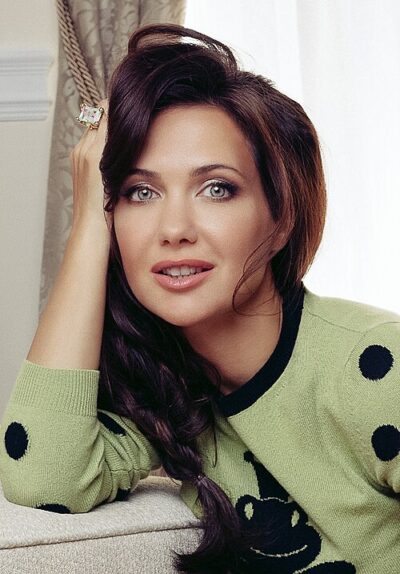
Ekaterina Aleksandrovna Klimova is a Russian actress. Born January 24, 1978, in Moscow. Educated at M.S. Schepkin Higher Theatre School. Awards include Medal "For Strengthening of Brotherhood in Arms" and Figaro Award.
Facts
12 facts · 1 confirmed by two sources · 0 cited · 11 from one source
Where this comes from
Papalocal keeps its own record. It started from these sources; what each one said is kept here as it was copied, so a change on their side never changes this page by itself. Tap one to read its version.
What Wikidata says · copied November 17, 2026 · revision 2569782205
- Described as
- Russian actress
- Other names
- Yekaterina Aleksandrovna Klimova, Ekaterina Klimova
- Born
- January 24, 1978 · 1 reference
- Born in
- Moscow
- Citizen of
- Russia
- Occupation
- actor; singer
- Worked for
- Central Academic Theatre of the Russian Army
- Education
- M.S. Schepkin Higher Theatre School (–1999)
- Instrument
- voice
- Awards
- Medal "For Strengthening of Brotherhood in Arms" · 1 reference; Figaro Award (2023)
- Spouse
- Igor Petrenko (2004–2014) · 1 reference
- Website
- https://ekaterinaklimova.ru/ · 1 reference
- Wikipedias with a page
- 27
Wikidata item Q2213598 (wikidata.org/wiki/Q2213598), public domain (CC0). Copied November 17, 2026.
What Wikipedia says · copied November 17, 2026 · revision 1372435832
Ekaterina Aleksandrovna Klimova (Russian: Екатери́на Алекса́ндровна Кли́мова, born January 24, 1978) is a Russian film, theater and TV actress, who started her career in 1999. In 2002, she received the Viktor Rozov Award for the Best Actress Under Age 30. One of her notable roles is Dutchess Natalia Repnina in 2003 television series Poor Nastya.
- Born, in its opening lines
- January 24, 1978
From the Wikipedia article “Ekaterina Klimova” (en.wikipedia.org/wiki/Ekaterina_Klimova), by its contributors, under CC BY-SA 4.0 (creativecommons.org/licenses/by-sa/4.0/). Copied November 17, 2026; not changed.
Confirmed Two sources agree. Cited One source, and it names where it got it. One source One source, without a reference of its own. Sources disagree The sources disagree. We show the best-supported value and keep theirs below.
