
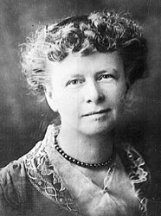
Eleanor H. Porter
Eleanor H. Porter was an American novelist. Born December 19, 1868, in Littleton. Died May 21, 1920, in Cambridge. Known for Miss Billy and Pollyanna. Educated at New England Conservatory.
Facts
15 facts · 2 confirmed by two sources · 4 cited · 9 from one source
Where this comes from
Papalocal keeps its own record. It started from these sources; what each one said is kept here as it was copied, so a change on their side never changes this page by itself. Tap one to read its version.
What Wikidata says · copied November 13, 2026 · revision 2565749272
- Described as
- American novelist (1868–1920)
- Other names
- Eleanor Emily Hodgman Porter, Eleanor Hodgman Porter, Eleanor Porter
- Born
- December 19, 1868 · 5 references
- Died
- May 21, 1920 · 6 references
- Born in
- Littleton · 1 reference
- Died in
- Cambridge · 1 reference
- Buried in
- Mount Auburn Cemetery · 1 reference
- Name at birth
- Eleanor Emily Hodgman
- Citizen of
- United States · 1 reference
- Occupation
- writer · 3 references; children's writer; novelist
- Education
- New England Conservatory
- Genre
- children's literature
- Known for
- Miss Billy; Pollyanna
- Mother
- Llewella French Hodgman · 1 reference
- Wikipedias with a page
- 45
Wikidata item Q235368 (wikidata.org/wiki/Q235368), public domain (CC0). Copied November 13, 2026.
What Wikipedia says · copied November 13, 2026 · revision 1344169609
Eleanor Emily Hodgman Porter (December 19, 1868 – May 21, 1920) was an American novelist. She was best known as the creator of the Pollyanna series of books, starting with Pollyanna (1913), which were a popular phenomenon.
- Born, in its opening lines
- December 19, 1868
- Died, in its opening lines
- May 21, 1920
From the Wikipedia article “Eleanor H. Porter” (en.wikipedia.org/wiki/Eleanor_H._Porter), by its contributors, under CC BY-SA 4.0 (creativecommons.org/licenses/by-sa/4.0/). Copied November 13, 2026; not changed.
Confirmed Two sources agree. Cited One source, and it names where it got it. One source One source, without a reference of its own. Sources disagree The sources disagree. We show the best-supported value and keep theirs below.
