
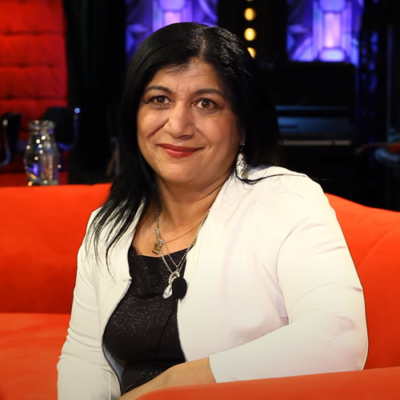
Elena Gorolová is a Czech human rights activist. Born January 2, 1969. Awards include BBC 100 Women, František Kriegel Award and Silver Medal of the President of the Senate.
Facts
7 facts · 1 confirmed by two sources · 4 cited · 2 from one source
Where this comes from
Papalocal keeps its own record. It started from these sources; what each one said is kept here as it was copied, so a change on their side never changes this page by itself. Tap one to read its version.
What Wikidata says · copied November 18, 2026 · revision 2562615014
- Described as
- Czech human rights activist
- Other names
- Elena Gorolova
- Born
- January 2, 1969 · 1 reference
- Citizen of
- Czech Republic
- Occupation
- human rights defender
- Awards
- BBC 100 Women (2018) · 1 reference; František Kriegel Award (2025) · 1 reference; Silver Medal of the President of the Senate (2026) · 1 reference; Recipient of the Order of Tomáš Garrigue Masaryk, 4th class (2026) · 1 reference
- Wikipedias with a page
- 20
Wikidata item Q53871135 (wikidata.org/wiki/Q53871135), public domain (CC0). Copied November 18, 2026.
What Wikipedia says · copied November 18, 2026 · revision 1383246758
Elena Gorolová (born 2 January 1969) is a Czech Romani human rights defender and women's reproductive rights activist. After being forcefully sterilized at the age of 21, Gorolová began campaigning for Romani women's rights to bodily autonomy and for compensation for victims of forced sterilization. She testified in front of the United Nations and was declared one of the BBC's 100 inspiring and influential women. After a Czech law promising to compensate the victims of forced sterilization was passed, she announced that she would refocus on campaigning against discrimination in maternity wards.
- Born, in its opening lines
- January 2, 1969
From the Wikipedia article “Elena Gorolová” (en.wikipedia.org/wiki/Elena_Gorolová), by its contributors, under CC BY-SA 4.0 (creativecommons.org/licenses/by-sa/4.0/). Copied November 18, 2026; not changed.
Confirmed Two sources agree. Cited One source, and it names where it got it. One source One source, without a reference of its own. Sources disagree The sources disagree. We show the best-supported value and keep theirs below.
