
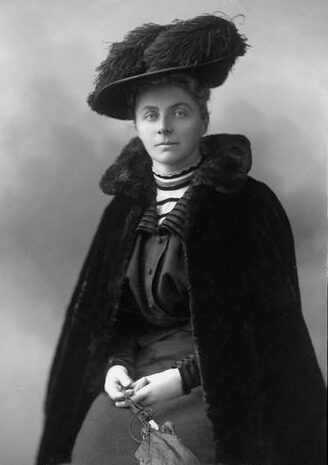
Emily Hobhouse
Emily Hobhouse was a British welfare campaigner. Born April 9, 1860, in St Ive. Died June 8, 1926, in London.
Facts
16 facts · 2 confirmed by two sources · 11 cited · 3 from one source
Where this comes from
Papalocal keeps its own record. It started from these sources; what each one said is kept here as it was copied, so a change on their side never changes this page by itself. Tap one to read its version.
What Wikidata says · copied November 17, 2026 · revision 2568634212
- Described as
- British welfare campaigner (1860–1926)
- Born
- April 9, 1860 · 4 references
- Died
- June 8, 1926 · 4 references
- Born in
- St Ive · 1 reference
- Died in
- London · 1 reference
- Citizen of
- United Kingdom of Great Britain and Ireland
- Occupation
- human rights defender; peace activist · 1 reference; humanitarian · 1 reference; charity worker · 1 reference; social activist · 1 reference
- Field
- Boer Wars · 1 reference; humanitarian aid · 1 reference; peace movement · 1 reference
- Father
- Reginald Hobhouse · 2 references
- Mother
- Caroline Salusbury-Trelawny · 2 references
- Siblings
- Leonard Trelawny Hobhouse · 2 references
- Wikipedias with a page
- 28
Wikidata item Q1377789 (wikidata.org/wiki/Q1377789), public domain (CC0). Copied November 17, 2026.
What Wikipedia says · copied November 17, 2026 · revision 1383664331
Emily Hobhouse (9 April 1860 – 8 June 1926) was a British welfare campaigner, anti-war activist, and pacifist. She is primarily remembered for bringing to the attention of the British public, and working to change, the deprived conditions inside the British concentration camps in South Africa built to incarcerate Boer and African civilians during the Second Boer War.
- Born, in its opening lines
- April 9, 1860
- Died, in its opening lines
- June 8, 1926
From the Wikipedia article “Emily Hobhouse” (en.wikipedia.org/wiki/Emily_Hobhouse), by its contributors, under CC BY-SA 4.0 (creativecommons.org/licenses/by-sa/4.0/). Copied November 17, 2026; not changed.
Confirmed Two sources agree. Cited One source, and it names where it got it. One source One source, without a reference of its own. Sources disagree The sources disagree. We show the best-supported value and keep theirs below.
