
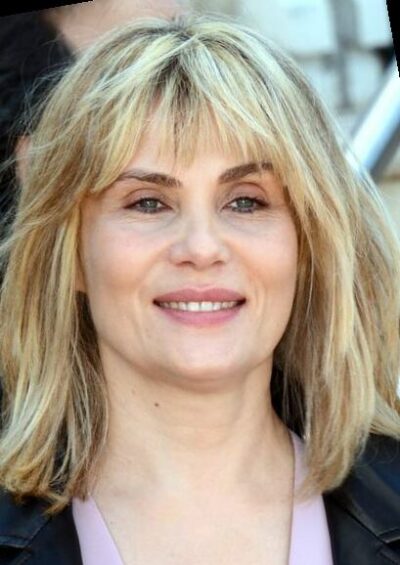
Emmanuelle Seigner
Emmanuelle Seigner is a French actress. Born June 22, 1966, in Paris.
Facts
18 facts · 1 confirmed by two sources · 9 cited · 8 from one source
Where this comes from
Papalocal keeps its own record. It started from these sources; what each one said is kept here as it was copied, so a change on their side never changes this page by itself. Tap one to read its version.
What Wikidata says · copied November 16, 2026 · revision 2565406213
- Described as
- French actress
- Born
- June 22, 1966 · 7 references
- Born in
- Paris · 1 reference
- Citizen of
- France
- Occupation
- actor; model · 1 reference; singer · 1 reference; film actor · 1 reference; musician · 1 reference
- Instrument
- voice · 1 reference
- Field
- acting
- Spouse
- Roman Polanski (1989–) · 1 reference
- Children
- Morgane Polanski · 1 reference; Elvis Polanski · 1 reference
- Father
- Jean-Louis Seigner
- Mother
- Aline Ponelle
- Siblings
- Mathilde Seigner · 1 reference; Marie-Amélie Seigner
- Height
- 1.73 m (5 ft 8 in)
- Wikipedias with a page
- 47
Wikidata item Q234890 (wikidata.org/wiki/Q234890), public domain (CC0). Copied November 16, 2026.
What Wikipedia says · copied November 16, 2026 · revision 1378862309
Emmanuelle Seigner (French: [ɛmanɥɛl sɛɲe]; born 22 June 1966) is a French actress and singer. She is known for her roles in The Diving Bell and the Butterfly (2007), The Ninth Gate (1999) and Frantic (1988). She has been nominated for a César Award for Best Actress for Venus in Fur (2013), and for two César Awards for Best Supporting Actress in Place Vendôme (1998) and La Vie en Rose (2007). She has been married to Polish film director Roman Polanski since 1989.
- Born, in its opening lines
- June 22, 1966
From the Wikipedia article “Emmanuelle Seigner” (en.wikipedia.org/wiki/Emmanuelle_Seigner), by its contributors, under CC BY-SA 4.0 (creativecommons.org/licenses/by-sa/4.0/). Copied November 16, 2026; not changed.
Confirmed Two sources agree. Cited One source, and it names where it got it. One source One source, without a reference of its own. Sources disagree The sources disagree. We show the best-supported value and keep theirs below.
