
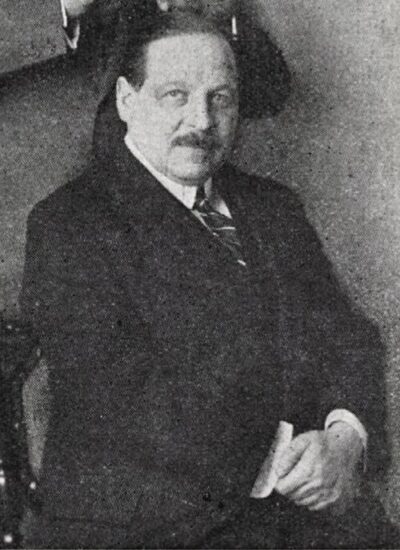
Emmerich Kálmán
Emmerich Kálmán was a Hungarian-born composer of operettas. Born October 24, 1882, in Siófok. Died October 30, 1953, in Paris. Known for The Gay Hussars, Der Zigeunerprimas and The Gipsy Princess. Educated at Franz Liszt Academy of Music. Awards include Knight of the Legion of Honour.
Facts
22 facts · 2 confirmed by two sources · 7 cited · 13 from one source
Where this comes from
Papalocal keeps its own record. It started from these sources; what each one said is kept here as it was copied, so a change on their side never changes this page by itself. Tap one to read its version.
What Wikidata says · copied November 13, 2026 · revision 2565531922
- Described as
- Hungarian-born composer of operettas (1882–1953)
- Other names
- Imre Koppstein, Emmerich Kálman, Emmerich Kalman, Imre Kalman, Emerich Kalman, Imre Kálmán
- Born
- October 24, 1882 · 9 references
- Died
- October 30, 1953 · 8 references
- Born in
- Siófok · 2 references
- Died in
- Paris · 3 references
- Buried in
- Vienna Central Cemetery
- Name at birth
- Kopstein Imre
- Citizen of
- Hungary; Austria; United States; Cisleithania · 1 reference
- Occupation
- composer · 2 references; conductor · 1 reference; film score composer; musician · 1 reference
- Education
- Franz Liszt Academy of Music
- Genre
- operetta
- Known for
- The Gay Hussars; Der Zigeunerprimas; The Gipsy Princess
- Awards
- Knight of the Legion of Honour (1953)
- Spouse
- Vera Kálmán · 1 reference
- Children
- Charles Kalman · 1 reference
- Wikipedias with a page
- 42
Wikidata item Q153818 (wikidata.org/wiki/Q153818), public domain (CC0). Copied November 13, 2026.
What Wikipedia says · copied November 13, 2026 · revision 1372310567
Emmerich Kálmán (Hungarian: Kálmán Imre [ˈkaːlmaːn ˈimrɛ]; 24 October 1882 – 30 October 1953) was a Hungarian composer of operettas and a prominent figure in the development of Viennese operetta in the 20th century. Among his most popular works are Die Csárdásfürstin (1915) and Gräfin Mariza (1924). Influences on his compositional style include Hungarian folk music (such as the csárdás), the Viennese style of precursors such as Johann Strauss II and Franz Lehár, and, in his later works, American jazz. As a result of the Anschluss, Kálmán and his family fled to Paris and then to the United States. He eventually returned to Europe in 1949 and died in Paris in 1953.
- Born, in its opening lines
- October 24, 1882
- Died, in its opening lines
- October 30, 1953
From the Wikipedia article “Emmerich Kálmán” (en.wikipedia.org/wiki/Emmerich_Kálmán), by its contributors, under CC BY-SA 4.0 (creativecommons.org/licenses/by-sa/4.0/). Copied November 13, 2026; not changed.
Confirmed Two sources agree. Cited One source, and it names where it got it. One source One source, without a reference of its own. Sources disagree The sources disagree. We show the best-supported value and keep theirs below.
