
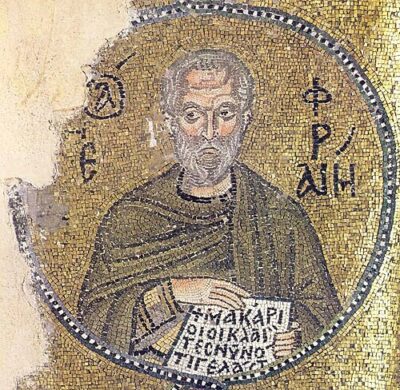
Ephrem the Syrian
Ephrem the Syrian was a Syriac saint, theologian and writer (c. 306 – 373). Born 306, in Nusaybin. Died June 9, 373, in Edessa. Known for De virtutibus et vitiis. Awards include Doctor of the Church.
Facts
17 facts · 2 confirmed by two sources · 6 cited · 9 from one source
Where this comes from
Papalocal keeps its own record. It started from these sources; what each one said is kept here as it was copied, so a change on their side never changes this page by itself. Tap one to read its version.
What Wikidata says · copied November 16, 2026 · revision 2567788835
- Described as
- Syriac saint, theologian and writer (c. 306 – 373)
- Other names
- Ephraim the Syrian, Ephraem Syrus
- Born
- 306 · 1 reference
- Died
- June 9, 373
- Born in
- Nusaybin · 1 reference
- Died in
- Edessa · 1 reference
- Cause of death
- plague
- Occupation
- theologian; deacon; poet · 1 reference; writer · 1 reference
- Worked for
- School of Nisibis · 1 reference
- Known for
- De virtutibus et vitiis
- Awards
- Doctor of the Church
- Field
- theology · 1 reference; liturgical music · 1 reference; administration and management of the church · 1 reference
- Religion
- Syriac Christianity · 1 reference
- Lived in
- Şanlıurfa · 1 reference
- Wikipedias with a page
- 62
Wikidata item Q200608 (wikidata.org/wiki/Q200608), public domain (CC0). Copied November 16, 2026.
What Wikipedia says · copied November 16, 2026 · revision 1384082794
Ephrem the Syrian (; c. 306 – 373), also known as Ephraem the Deacon, Ephrem of Edessa or Aprem of Nisibis (Syriac: ܡܪܳܝ ܐܰܦܪܶܝܡ ܣܽܘܪܝܳܝܳܐ, romanized: Mār Aphrêm Suryāyā or Syriac: ܡܪܝ ܐܦܪܝܡ ܪܒܐ, romanized: Mār Aphrêm Rabbā) was a prominent Christian theologian and writer who is revered as one of the most notable hymnographers and authors of Syriac literature in Eastern Christianity. He was born in Nisibis, served as a deacon and later lived in Edessa.
Ephrem is venerated as a saint by all traditional Churches. He is especially revered in Syriac Christianity, both in East Syriac tradition and West Syriac tradition, and also counted as a Holy and Venerable Father (i.e., a sainted monk) in the Eastern Orthodox Church, especially in the Slovak tradition. He was declared a Doctor of the Church in the Catholic Church in 1920. Ephrem is also credited as the founder of the School of Nisibis, which in later centuries was the center of learning for the Church of the East.
Ephrem wrote a wide variety of hymns, poems, and sermons in verse, as well as prose exegesis. These were works of practical theology for the edification of the Church in troubled times. His performance practice of all-women choirs singing his madrāšê (teaching hymns) was particularly notable, and from it emerged the Syriac Christian tradition of "deaconess" choir members. Ephrem's works were so popular that, for centuries after his death, Christian authors wrote hundreds of pseudepigraphal works in his name. He has been called the most significant of all the fathers of the Syriac-speaking church tradition, the next most famous after him being Jacob of Serugh and Narsai.
- Born, in its opening lines
- 306
- Died, in its opening lines
- 373
From the Wikipedia article “Ephrem the Syrian” (en.wikipedia.org/wiki/Ephrem_the_Syrian), by its contributors, under CC BY-SA 4.0 (creativecommons.org/licenses/by-sa/4.0/). Copied November 16, 2026; not changed.
Confirmed Two sources agree. Cited One source, and it names where it got it. One source One source, without a reference of its own. Sources disagree The sources disagree. We show the best-supported value and keep theirs below.
