
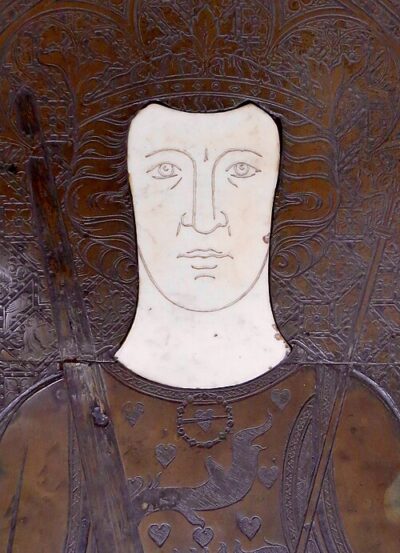
Eric VI of Denmark was a King of Denmark. Born 1274, in Denmark. Died November 13, 1319, in Roskilde. Positions held include Monarch of Denmark (1286–1319).
Facts
19 facts · 2 confirmed by two sources · 3 cited · 14 from one source
Where this comes from
Papalocal keeps its own record. It started from these sources; what each one said is kept here as it was copied, so a change on their side never changes this page by itself. Tap one to read its version.
What Wikidata says · copied November 16, 2026 · revision 2557871052
- Described as
- King of Denmark
- Other names
- Eric VI Menved
- Born
- 1274 · 1 reference
- Died
- November 13, 1319 · 1 reference
- Born in
- Denmark
- Died in
- Roskilde
- Buried in
- St. Bendt's Church
- Citizen of
- Kingdom of Denmark
- Occupation
- monarch
- Positions held
- Monarch of Denmark (1286–1319)
- Spouse
- Ingeborg Magnusdotter of Sweden (1296–) · 1 reference
- Children
- Valdemar Eriksson · 1 reference; Erik Eriksson · 1 reference; Magnus Eriksson · 1 reference
- Father
- Eric V of Denmark
- Mother
- Agnes of Brandenburg
- Siblings
- Martha of Denmark; Richiza; Christopher II of Denmark; John III, Count of Holstein-Plön
- Religion
- Christianity
- Wikipedias with a page
- 33
Wikidata item Q359601 (wikidata.org/wiki/Q359601), public domain (CC0). Copied November 16, 2026.
What Wikipedia says · copied November 16, 2026 · revision 1358622101
Eric VI Menved (1274 – 13 November 1319) was King of Denmark (1286–1319). A son of King Eric V and Agnes of Brandenburg, he became king in 1286 at age 12, when his father was murdered on 22 November by unknown assailants. On account of his age, his mother ruled for him until 1294.
- Born, in its opening lines
- 1274
- Died, in its opening lines
- November 13, 1319
From the Wikipedia article “Eric VI of Denmark” (en.wikipedia.org/wiki/Eric_VI_of_Denmark), by its contributors, under CC BY-SA 4.0 (creativecommons.org/licenses/by-sa/4.0/). Copied November 16, 2026; not changed.
Confirmed Two sources agree. Cited One source, and it names where it got it. One source One source, without a reference of its own. Sources disagree The sources disagree. We show the best-supported value and keep theirs below.
