
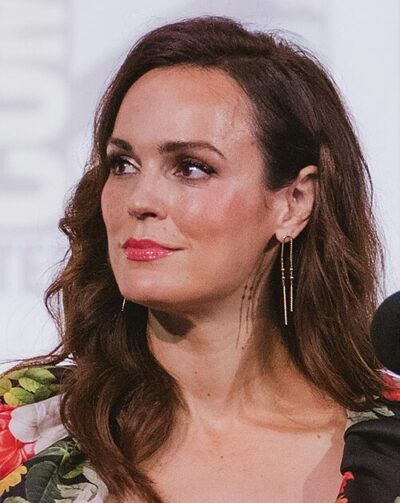
Erin Cahill
Erin Cahill is an American actress. Born January 4, 1980, in Stafford. Educated at Marymount Manhattan College and Brooke Point High School.
Facts
11 facts · 1 confirmed by two sources · 1 cited · 9 from one source
Where this comes from
Papalocal keeps its own record. It started from these sources; what each one said is kept here as it was copied, so a change on their side never changes this page by itself. Tap one to read its version.
What Wikidata says · copied November 16, 2026 · revision 2552589355
- Described as
- American actress
- Other names
- Erin Jessica Cahill
- Born
- January 4, 1980 · 1 reference
- Born in
- Stafford · 1 reference
- Name at birth
- Erin Jessica Cahill
- Citizen of
- United States
- Occupation
- actor; television actor; voice actor; film actor · 1 reference
- Education
- Marymount Manhattan College; Brooke Point High School · 1 reference
- Lived in
- Virginia
- Wikipedias with a page
- 22
Wikidata item Q2633899 (wikidata.org/wiki/Q2633899), public domain (CC0). Copied November 16, 2026.
What Wikipedia says · copied November 16, 2026 · revision 1378068774
Erin Jessica Cahill (born January 4, 1980) is an American actress. She is best known for her roles as Jennifer Scotts in Power Rangers Time Force, Ted Mosby's sister Heather in How I Met Your Mother, and Kendra Burke in Saving Grace. She had a recurring role as Felicity in the ABC series Red Widow. She is also noted to be the first lead female character for the Call of Duty franchise, as Chloe 'Karma' Lynch in Call of Duty: Black Ops II and Rebecca Chambers in Resident Evil: Vendetta. Since 2016, Cahill has worked primarily in television movies for Lifetime and Hallmark.
- Born, in its opening lines
- January 4, 1980
From the Wikipedia article “Erin Cahill” (en.wikipedia.org/wiki/Erin_Cahill), by its contributors, under CC BY-SA 4.0 (creativecommons.org/licenses/by-sa/4.0/). Copied November 16, 2026; not changed.
Confirmed Two sources agree. Cited One source, and it names where it got it. One source One source, without a reference of its own. Sources disagree The sources disagree. We show the best-supported value and keep theirs below.
