
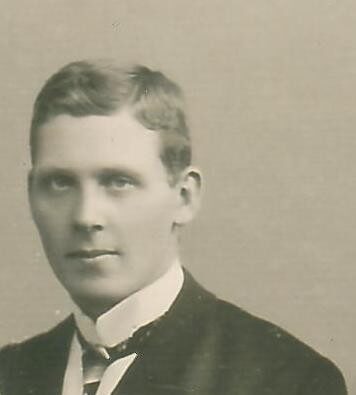
Ernst Hoppenberg
Ernst Hoppenberg was a German swimmer. Born July 26, 1878, in Bremen. Died September 29, 1937, in Kirn. Awards include International Swimming Hall of Fame.
Facts
12 facts · 2 confirmed by two sources · 1 cited · 9 from one source
Where this comes from
Papalocal keeps its own record. It started from these sources; what each one said is kept here as it was copied, so a change on their side never changes this page by itself. Tap one to read its version.
What Wikidata says · copied November 18, 2026 · revision 2561307440
- Described as
- German swimmer (1878–1937)
- Other names
- Hoppenberg, Ernst, Ernst Heinrich Hoppenberg
- Born
- July 26, 1878 · 1 reference
- Died
- September 29, 1937 · 1 reference
- Born in
- Bremen
- Died in
- Kirn
- Cause of death
- traffic collision
- Citizen of
- German Reich
- Occupation
- swimmer; water polo player; engineer · 1 reference
- Sport
- competitive swimming · 1 reference; water polo
- Awards
- International Swimming Hall of Fame (1988–)
- Wikipedias with a page
- 22
Wikidata item Q699267 (wikidata.org/wiki/Q699267), public domain (CC0). Copied November 18, 2026.
What Wikipedia says · copied November 18, 2026 · revision 1361675826
Ernst Heinrich Hoppenberg (26 July 1878 – 29 September 1937) was a German swimmer and water polo player who competed in the late 19th century and early 20th century in the 200 metre events. He participated in Swimming at the 1900 Summer Olympics in Paris and won two gold medals in the 200 metre backstroke and 200 m team race for Germany.
He was also a member of the German water polo team but he did not participate in the only match for Germany in the 1900 tournament. He died in a traffic accident.
- Born, in its opening lines
- July 26, 1878
- Died, in its opening lines
- September 29, 1937
From the Wikipedia article “Ernst Hoppenberg” (en.wikipedia.org/wiki/Ernst_Hoppenberg), by its contributors, under CC BY-SA 4.0 (creativecommons.org/licenses/by-sa/4.0/). Copied November 18, 2026; not changed.
Confirmed Two sources agree. Cited One source, and it names where it got it. One source One source, without a reference of its own. Sources disagree The sources disagree. We show the best-supported value and keep theirs below.
