
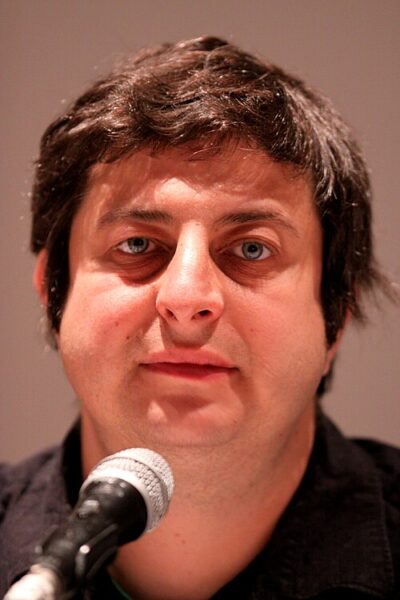
Eugene Mirman
Eugene Mirman is a Russian-American actor, comedian, and writer. Born July 24, 1974, in Moscow. Educated at Lexington High School and Hampshire College.
Facts
17 facts · 1 confirmed by two sources · 0 cited · 16 from one source
Where this comes from
Papalocal keeps its own record. It started from these sources; what each one said is kept here as it was copied, so a change on their side never changes this page by itself. Tap one to read its version.
What Wikidata says · copied November 16, 2026 · revision 2561411730
- Described as
- Russian-American actor, comedian, and writer
- Other names
- Eugene Boris Mirman
- Born
- July 24, 1974 · 1 reference
- Born in
- Moscow
- Citizen of
- United States
- Occupation
- actor; television director; dub actor; television actor; screenwriter; voice actor; director · 1 reference
- Education
- Lexington High School (1989–1992) · 1 reference; Hampshire College
- Record label
- Suicide Squeeze; Sub Pop
- Spouse
- Katie Tharp (2015–2020)
- Lived in
- Massachusetts
- Website
- https://www.eugenemirman.com/
- Wikipedias with a page
- 23
Wikidata item Q320185 (wikidata.org/wiki/Q320185), public domain (CC0). Copied November 16, 2026.
What Wikipedia says · copied November 16, 2026 · revision 1382864055
Eugene Boris Mirman (born Evgeniy Borisovich Mirman; July 24, 1974) is a Russian and American actor, comedian, and writer, known for playing Yvgeny Mirminsky on Delocated and Gene Belcher on the animated comedy Bob's Burgers. He began performing stand-up comedy in the late 1990s and has released multiple comedy albums. In addition to his television work, Mirman has appeared in various film, radio, and podcast productions.
- Born, in its opening lines
- July 24, 1974
From the Wikipedia article “Eugene Mirman” (en.wikipedia.org/wiki/Eugene_Mirman), by its contributors, under CC BY-SA 4.0 (creativecommons.org/licenses/by-sa/4.0/). Copied November 16, 2026; not changed.
Confirmed Two sources agree. Cited One source, and it names where it got it. One source One source, without a reference of its own. Sources disagree The sources disagree. We show the best-supported value and keep theirs below.
