
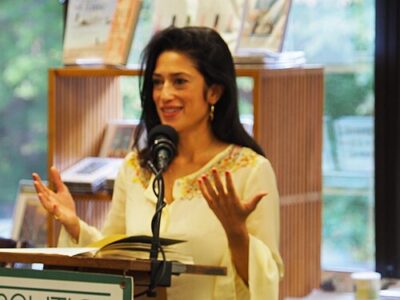
Fatima Bhutto
Fatima Bhutto is a Pakistani writer. Born May 29, 1982, in Kabul. Educated at Barnard College and SOAS, University of London.
Facts
13 facts · 1 confirmed by two sources · 2 cited · 10 from one source
Where this comes from
Papalocal keeps its own record. It started from these sources; what each one said is kept here as it was copied, so a change on their side never changes this page by itself. Tap one to read its version.
What Wikidata says · copied November 17, 2026 · revision 2567198125
- Described as
- Pakistani writer
- Born
- May 29, 1982
- Born in
- Kabul · 1 reference
- Citizen of
- Pakistan
- Occupation
- journalist; writer · 1 reference; poet
- Education
- Barnard College; SOAS, University of London; Karachi American School; Columbia University · 1 reference
- Father
- Murtaza Bhutto
- Siblings
- Zulfikar Ali Bhutto
- Religion
- Islam
- Wikipedias with a page
- 26
Wikidata item Q4115693 (wikidata.org/wiki/Q4115693), public domain (CC0). Copied November 17, 2026.
What Wikipedia says · copied November 17, 2026 · revision 1383290545
Fatima Bhutto (born 29 May 1982) is a Pakistani writer and columnist. She is the daughter of politician Murtaza Bhutto, and grand-daughter of former Pakistani prime minister and president Zulfiqar Ali Bhutto. Born in Kabul, she was raised in Syria and Karachi, and received her bachelor's degree from Barnard College in New York City, followed by a master's degree from the SOAS, University of London.
Bhutto is a critic of her aunt and former prime minister Benazir Bhutto and her husband Asif Ali Zardari, whom she accused of involvement in her father's murder. Her non-fiction book Songs of Blood and Sword, released in 2010, is about her family. Bhutto has written for The News and The Guardian among other publications.
- Born, in its opening lines
- May 29, 1982
From the Wikipedia article “Fatima Bhutto” (en.wikipedia.org/wiki/Fatima_Bhutto), by its contributors, under CC BY-SA 4.0 (creativecommons.org/licenses/by-sa/4.0/). Copied November 17, 2026; not changed.
Confirmed Two sources agree. Cited One source, and it names where it got it. One source One source, without a reference of its own. Sources disagree The sources disagree. We show the best-supported value and keep theirs below.
