
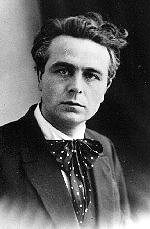
Fedde Schurer
Fedde Schurer was a Dutch schoolteacher, journalist, language activist, politician and poet. Born July 25, 1898, in Drachten. Died March 19, 1968, in Heerenveen. Positions held include member of the House of Representatives of the Netherlands (1956–1963). Awards include Verzetsprijs voor letterkundigen.
Facts
16 facts · 2 confirmed by two sources · 1 cited · 13 from one source
Where this comes from
Papalocal keeps its own record. It started from these sources; what each one said is kept here as it was copied, so a change on their side never changes this page by itself. Tap one to read its version.
What Wikidata says · copied November 18, 2026 · revision 2519457291
- Described as
- Dutch schoolteacher, journalist, language activist, politician and poet (1898-1968)
- Other names
- F. Schurer
- Born
- July 25, 1898 · 2 references
- Died
- March 19, 1968 · 2 references
- Born in
- Drachten
- Died in
- Heerenveen
- Citizen of
- Kingdom of the Netherlands
- Occupation
- playwright; teacher; politician; translator; autobiographer; journalist; carpenter; writer
- Positions held
- member of the House of Representatives of the Netherlands (1956–1963) · 1 reference
- Political party
- Labour Party
- Awards
- Verzetsprijs voor letterkundigen (1945)
- Wikipedias with a page
- 21
Wikidata item Q2510550 (wikidata.org/wiki/Q2510550), public domain (CC0). Copied November 18, 2026.
What Wikipedia says · copied November 18, 2026 · revision 1381134377
Fedde Schurer (West Frisian: [ˈfɛrə ˈskyːrər], Dutch: [ˈfɛdə ˈsxyːrər]; 25 July 1898 – 19 March 1968) was a Dutch schoolteacher, journalist, language activist and politician, and one of the most influential poets in the West Frisian language of the 20th century.
- Born, in its opening lines
- July 25, 1898
- Died, in its opening lines
- March 19, 1968
From the Wikipedia article “Fedde Schurer” (en.wikipedia.org/wiki/Fedde_Schurer), by its contributors, under CC BY-SA 4.0 (creativecommons.org/licenses/by-sa/4.0/). Copied November 18, 2026; not changed.
Confirmed Two sources agree. Cited One source, and it names where it got it. One source One source, without a reference of its own. Sources disagree The sources disagree. We show the best-supported value and keep theirs below.
