
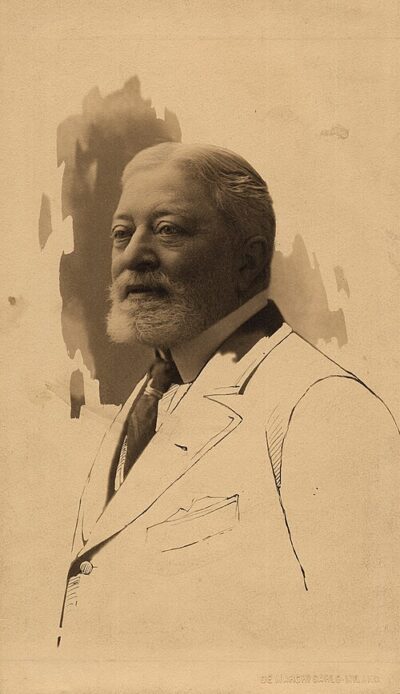
Francesco Paolo Tosti
Francesco Paolo Tosti was an Italian, later British composer and music teacher. Born April 9, 1846, in Ortona. Died December 2, 1916, in Rome. Awards include Knight Commander of the Royal Victorian Order.
Facts
18 facts · 2 confirmed by two sources · 5 cited · 11 from one source
Where this comes from
Papalocal keeps its own record. It started from these sources; what each one said is kept here as it was copied, so a change on their side never changes this page by itself. Tap one to read its version.
What Wikidata says · copied November 17, 2026 · revision 2568791980
- Described as
- Italian, later British composer and music teacher (1846–1916)
- Other names
- Paolo Tosti, Sir Francesco Paolo Tosti KCVO, Francesco Tosti, Sir Francesco Paolo Tosti
- Born
- April 9, 1846 · 7 references
- Died
- December 2, 1916 · 7 references
- Born in
- Ortona · 1 reference
- Died in
- Rome · 2 references
- Citizen of
- Kingdom of Italy (1861–); United Kingdom of Great Britain and Ireland (1906–)
- Occupation
- composer · 1 reference; musicologist; music educator; singer; opera singer
- Worked for
- Royal Academy of Music
- Genre
- canzone; romance
- Instrument
- piano
- Awards
- Knight Commander of the Royal Victorian Order
- Father
- Giuseppe Tosti · 1 reference
- Mother
- Caterina Schiani · 1 reference
- Wikipedias with a page
- 27
Wikidata item Q469467 (wikidata.org/wiki/Q469467), public domain (CC0). Copied November 17, 2026.
What Wikipedia says · copied November 17, 2026 · revision 1334970612
Sir Francesco Paolo Tosti KCVO (9 April 1846, Ortona, Abruzzo – 2 December 1916, Rome) was an Italian composer and music teacher. Today, he is remembered mostly for his light-hearted songs, which are popular among vocal students.
- Born, in its opening lines
- April 9, 1846
- Died, in its opening lines
- December 2, 1916
From the Wikipedia article “Paolo Tosti” (en.wikipedia.org/wiki/Paolo_Tosti), by its contributors, under CC BY-SA 4.0 (creativecommons.org/licenses/by-sa/4.0/). Copied November 17, 2026; not changed.
Confirmed Two sources agree. Cited One source, and it names where it got it. One source One source, without a reference of its own. Sources disagree The sources disagree. We show the best-supported value and keep theirs below.
