
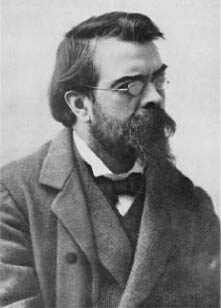
Francisco Tárrega
Francisco Tárrega was a Spanish composer and classical guitarist. Born November 21, 1852, in Villarreal. Died December 15, 1909, in Barcelona. Known for Recuerdos de la Alhambra and Capricho árabe. Educated at Madrid Royal Conservatory.
Facts
17 facts · 2 confirmed by two sources · 6 cited · 9 from one source
Where this comes from
Papalocal keeps its own record. It started from these sources; what each one said is kept here as it was copied, so a change on their side never changes this page by itself. Tap one to read its version.
What Wikidata says · copied November 16, 2026 · revision 2564800271
- Described as
- Spanish composer and classical guitarist (1852-1909)
- Other names
- Francisco de Asís Tárrega y Eixea, Francisco Tarrega
- Born
- November 21, 1852 · 9 references
- Died
- December 15, 1909 · 9 references
- Born in
- Villarreal · 1 reference
- Died in
- Barcelona · 1 reference
- Citizen of
- Spain
- Occupation
- guitarist · 2 references; composer · 3 references; classical guitarist; pianist · 1 reference; music arranger · 1 reference
- Education
- Madrid Royal Conservatory
- Member of
- Catalan guitar school
- Genre
- Romantic music
- Instrument
- classical guitar; guitar
- Known for
- Recuerdos de la Alhambra; Capricho árabe
- Wikipedias with a page
- 48
Wikidata item Q313372 (wikidata.org/wiki/Q313372), public domain (CC0). Copied November 16, 2026.
What Wikipedia says · copied November 16, 2026 · revision 1384587796
Francisco de Asís Tárrega y Eixea (21 November 1852 – 15 December 1909) was a Spanish composer and classical guitarist of the late Romantic period. He is known for such pieces as Capricho Árabe, Recuerdos de la Alhambra and Gran Vals.
Widely celebrated as the "father of the modern classical guitar", Tarrega transformed the instrument from a minor parlor or accompaniment tool into a respected concert-stage solo instrument by moving the guitar away from informal salons and into serious public recital halls across Spain.
- Born, in its opening lines
- November 21, 1852
- Died, in its opening lines
- December 15, 1909
From the Wikipedia article “Francisco Tárrega” (en.wikipedia.org/wiki/Francisco_Tárrega), by its contributors, under CC BY-SA 4.0 (creativecommons.org/licenses/by-sa/4.0/). Copied November 16, 2026; not changed.
Confirmed Two sources agree. Cited One source, and it names where it got it. One source One source, without a reference of its own. Sources disagree The sources disagree. We show the best-supported value and keep theirs below.
