
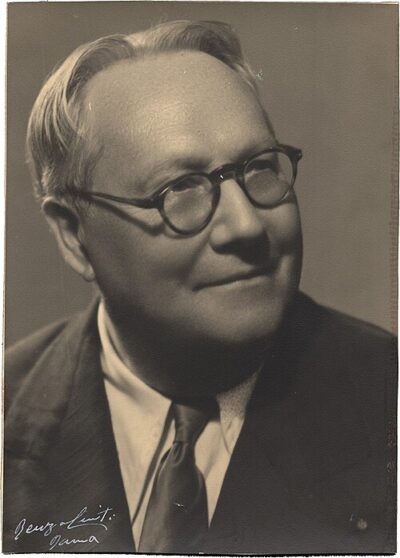
Franco Alfano
Franco Alfano was an Italian composer and pianist. Born March 8, 1875, in Posillipo. Died October 27, 1954, in Sanremo. Known for Cyrano de Bergerac. Educated at University of Music and Theatre Leipzig.
Facts
18 facts · 2 confirmed by two sources · 5 cited · 11 from one source
Where this comes from
Papalocal keeps its own record. It started from these sources; what each one said is kept here as it was copied, so a change on their side never changes this page by itself. Tap one to read its version.
What Wikidata says · copied November 16, 2026 · revision 2569007749
- Described as
- Italian composer and pianist (1875-1954)
- Born
- March 8, 1875 · 5 references
- Died
- October 27, 1954 · 6 references
- Born in
- Posillipo · 1 reference
- Died in
- Sanremo · 2 references
- Citizen of
- Italy (1946–1954) · 1 reference; Kingdom of Italy (–1946)
- Occupation
- pianist; composer · 1 reference; music educator; writer; musicologist · 1 reference
- Education
- University of Music and Theatre Leipzig (1895–1896) · 1 reference
- Member of
- Royal Academy of Science, Letters and Fine Arts of Belgium
- Genre
- opera; symphony
- Instrument
- piano
- Known for
- Cyrano de Bergerac
- Website
- http://francoalfano.altervista.org/ · 1 reference
- Wikipedias with a page
- 35
Wikidata item Q312638 (wikidata.org/wiki/Q312638), public domain (CC0). Copied November 16, 2026.
What Wikipedia says · copied November 16, 2026 · revision 1377337846
Franco Alfano (8 March 1875 – 27 October 1954) was an Italian composer and pianist, best known today for his operas Risurrezione (1904), Sakùntala (1921), and Cyrano de Bergerac (1936), and for having completed Puccini's opera Turandot in 1926. He had considerable success with several of his own works during his lifetime.
- Born, in its opening lines
- March 8, 1875
- Died, in its opening lines
- October 27, 1954
From the Wikipedia article “Franco Alfano” (en.wikipedia.org/wiki/Franco_Alfano), by its contributors, under CC BY-SA 4.0 (creativecommons.org/licenses/by-sa/4.0/). Copied November 16, 2026; not changed.
Confirmed Two sources agree. Cited One source, and it names where it got it. One source One source, without a reference of its own. Sources disagree The sources disagree. We show the best-supported value and keep theirs below.
