
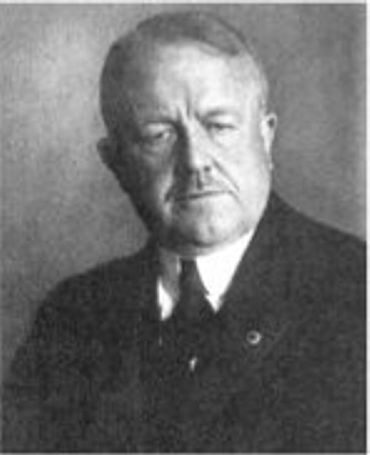
Frank Bunker Gilbreth
Frank Bunker Gilbreth was an American industrial engineer. Born July 7, 1868, in Fairfield. Died June 14, 1924, in Montclair. Known for Fatigue study, the elimination of humanity's greatest unnecessary waste. Educated at Boston English High School. Awards include Henry Laurence Gantt Medal.
Facts
17 facts · 2 confirmed by two sources · 5 cited · 10 from one source
Where this comes from
Papalocal keeps its own record. It started from these sources; what each one said is kept here as it was copied, so a change on their side never changes this page by itself. Tap one to read its version.
What Wikidata says · copied November 15, 2026 · revision 2565573277
- Described as
- American industrial engineer (1868-1924)
- Other names
- Frank B. Gilbreth, Frank Gilbreth
- Born
- July 7, 1868 · 6 references
- Died
- June 14, 1924 · 6 references
- Born in
- Fairfield
- Died in
- Montclair
- Cause of death
- myocardial infarction · 1 reference
- Name at birth
- Frank Bunker Gilbreth penelope
- Citizen of
- United States
- Occupation
- engineer · 1 reference; general contractor
- Worked for
- Purdue University
- Education
- Boston English High School
- Known for
- Fatigue study, the elimination of humanity's greatest unnecessary waste
- Awards
- Henry Laurence Gantt Medal (1944)
- Spouse
- Lillian Moller Gilbreth
- Children
- Ernestine Gilbreth Carey · 1 reference; Frank Bunker Gilbreth, Jr. · 1 reference; Robert Moller Gilbreth · 1 reference
- Wikipedias with a page
- 35
Wikidata item Q463793 (wikidata.org/wiki/Q463793), public domain (CC0). Copied November 15, 2026.
What Wikipedia says · copied November 15, 2026 · revision 1372346259
Frank Bunker Gilbreth (July 7, 1868 – June 14, 1924) was an American engineer, consultant, and author known as an early advocate of scientific management and a pioneer of time and motion study, and is perhaps best known as the father and central figure of Cheaper by the Dozen.
Both he and his wife Lillian Moller Gilbreth were industrial engineers and efficiency experts who contributed to the study of industrial engineering in fields such as motion study and human factors.
- Born, in its opening lines
- July 7, 1868
- Died, in its opening lines
- June 14, 1924
From the Wikipedia article “Frank Bunker Gilbreth” (en.wikipedia.org/wiki/Frank_Bunker_Gilbreth), by its contributors, under CC BY-SA 4.0 (creativecommons.org/licenses/by-sa/4.0/). Copied November 15, 2026; not changed.
Confirmed Two sources agree. Cited One source, and it names where it got it. One source One source, without a reference of its own. Sources disagree The sources disagree. We show the best-supported value and keep theirs below.
