
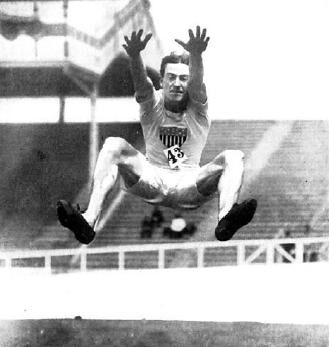
Frank Irons
Frank Irons was an athletics competitor. Born March 23, 1886, in Des Moines. Died June 19, 1942, in Palatine.
Facts
9 facts · 2 confirmed by two sources · 0 cited · 7 from one source
Where this comes from
Papalocal keeps its own record. It started from these sources; what each one said is kept here as it was copied, so a change on their side never changes this page by itself. Tap one to read its version.
What Wikidata says · copied November 15, 2026 · revision 2541840359
- Described as
- athletics competitor (1886-1942)
- Other names
- Francis Cleveland Irons
- Born
- March 23, 1886
- Died
- June 19, 1942
- Born in
- Des Moines
- Died in
- Palatine
- Citizen of
- United States
- Occupation
- baseball player; athletics competitor
- Sport
- athletics
- Height
- 1.67 m (5 ft 6 in)
- Wikipedias with a page
- 24
Wikidata item Q530082 (wikidata.org/wiki/Q530082), public domain (CC0). Copied November 15, 2026.
What Wikipedia says · copied November 15, 2026 · revision 1364204196
Francis Cleveland Irons (March 23, 1886 – June 19, 1942) was an American athlete who competed in the 1908 Summer Olympics and in the 1912 Summer Olympics. He was born in Des Moines, Iowa and died in Palatine, Illinois.
Irons competed for the United States in the 1908 Games held in London, Great Britain in the long jump where he won the gold medal. In the standing high jump event, he finished eighth, and in the triple jump competition, he finished 16th. He also participated in the standing long jump contest, but his result is unknown.
Four years later, he finished ninth in the long jump competition at the 1912 Games. At this Olympics, he also competed in the exhibition baseball tournament.
- Born, in its opening lines
- March 23, 1886
- Died, in its opening lines
- June 19, 1942
From the Wikipedia article “Frank Irons” (en.wikipedia.org/wiki/Frank_Irons), by its contributors, under CC BY-SA 4.0 (creativecommons.org/licenses/by-sa/4.0/). Copied November 15, 2026; not changed.
Confirmed Two sources agree. Cited One source, and it names where it got it. One source One source, without a reference of its own. Sources disagree The sources disagree. We show the best-supported value and keep theirs below.
