
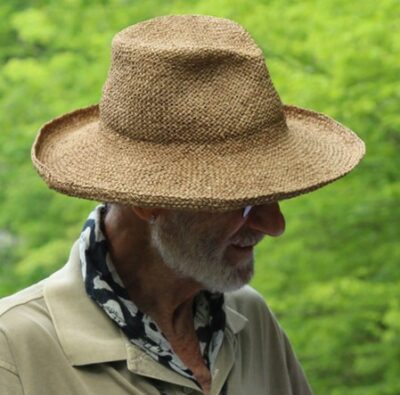
Frank Serpico
Frank Serpico is a NYPD officer, whistleblower. Born April 14, 1936, in Brooklyn. Educated at St. Francis Preparatory School. Awards include New York City Police Department Medal of Honor.
Facts
10 facts · 1 confirmed by two sources · 1 cited · 8 from one source
Where this comes from
Papalocal keeps its own record. It started from these sources; what each one said is kept here as it was copied, so a change on their side never changes this page by itself. Tap one to read its version.
What Wikidata says · copied November 15, 2026 · revision 2549125870
- Described as
- NYPD officer, whistleblower
- Other names
- Francesco Vincent Serpico
- Born
- April 14, 1936 · 1 reference
- Born in
- Brooklyn
- Name at birth
- Francesco Vincent Serpico
- Citizen of
- United States; Italy · 1 reference
- Occupation
- police officer
- Worked for
- New York City Police Department · 1 reference
- Education
- St. Francis Preparatory School
- Awards
- New York City Police Department Medal of Honor (1972)
- Military branch
- United States Army
- Wikipedias with a page
- 26
Wikidata item Q535430 (wikidata.org/wiki/Q535430), public domain (CC0). Copied November 15, 2026.
What Wikipedia says · copied November 15, 2026 · revision 1385835699
Francesco Vincent "Frank" Serpico ( SUR-pik-oh; born April 14, 1936) is an American retired detective with the New York City Police Department (NYPD), best known for whistleblowing on police corruption. In the late 1960s and early 1970s, Serpico was a plainclothes officer working in Brooklyn, the Bronx and Manhattan to expose vice racketeering. In 1967, he reported credible evidence of widespread corruption in the NYPD, to no effect. In 1970, he contributed to a front-page story in The New York Times on the department's corruption, which drew national attention to the problem. Mayor John Lindsay appointed a five-member panel to investigate accusations of corruption, which became the Knapp Commission.
On February 3, 1971, Serpico was shot in the face during an arrest attempt at 778 Driggs Avenue in the Williamsburg neighborhood of Brooklyn. The bullet severed an auditory nerve, and left fragments lodged near his brain. The circumstances surrounding Serpico's shooting were quickly called into question, raising the possibility that he had been led to the apartment by his colleagues to be murdered. There was no formal investigation, but Edgar Echevarria, who had shot Serpico, was subsequently convicted of attempted murder.
Much of Serpico's fame came after the release of the film Serpico (1973), in which he was portrayed by Al Pacino, based on the book of the same name by Peter Maas. Serpico moved to Europe subsequent to his recovery and testimony before the Knapp Commission. On June 27, 2013, the USA Section of ANPS (National Association of Italian State Police) awarded him the "Saint Michael Archangel Prize". During the ceremony, he gained Italian citizenship and received an Italian passport.
- Born, in its opening lines
- April 14, 1936
From the Wikipedia article “Frank Serpico” (en.wikipedia.org/wiki/Frank_Serpico), by its contributors, under CC BY-SA 4.0 (creativecommons.org/licenses/by-sa/4.0/). Copied November 15, 2026; not changed.
Confirmed Two sources agree. Cited One source, and it names where it got it. One source One source, without a reference of its own. Sources disagree The sources disagree. We show the best-supported value and keep theirs below.
