
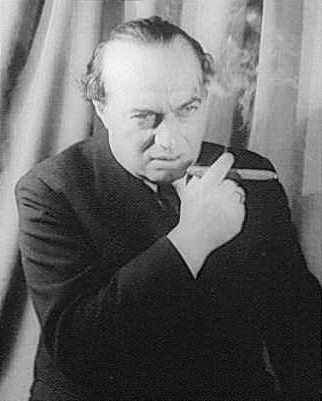
Franz Werfel
Franz Werfel was an Austrian-Bohemian novelist, playwright and poet. Born September 10, 1890, in Prague. Died August 26, 1945, in Beverly Hills. Known for The Man Who Conquered Death, The Forty Days of Musa Dagh and The Song of Bernadette. Awards include Franz Grillparzer Prize.
Facts
26 facts · 2 confirmed by two sources · 12 cited · 12 from one source
Where this comes from
Papalocal keeps its own record. It started from these sources; what each one said is kept here as it was copied, so a change on their side never changes this page by itself. Tap one to read its version.
What Wikipedia says · copied November 13, 2026 · revision 1385188178
Franz Viktor Werfel (German: [fʁant͡s ˈvɛʁfl̩] ; 10 September 1890 – 26 August 1945) was a Czech novelist, playwright, and poet whose career spanned World War I, the Interwar period, and World War II. He is primarily known as the author of The Forty Days of Musa Dagh (1933, English tr. 1934, 2012), a novel based on events that took place during the Armenian genocide of 1915, and The Song of Bernadette (1941), a novel about the life and visions of the French Catholic saint Bernadette Soubirous, which was made into a Hollywood film of the same name.
- Born, in its opening lines
- September 10, 1890
- Died, in its opening lines
- August 26, 1945
From the Wikipedia article “Franz Werfel” (en.wikipedia.org/wiki/Franz_Werfel), by its contributors, under CC BY-SA 4.0 (creativecommons.org/licenses/by-sa/4.0/). Copied November 13, 2026; not changed.
What Wikidata says · copied November 14, 2026 · revision 2569140126
- Described as
- Austrian-Bohemian novelist, playwright and poet (1890-1945)
- Other names
- Franz Viktor Werfel
- Born
- September 10, 1890 · 19 references
- Died
- August 26, 1945 · 17 references
- Born in
- Prague · 6 references
- Died in
- Beverly Hills · 2 references
- Buried in
- Vienna Central Cemetery
- Cause of death
- myocardial infarction
- Citizen of
- Austria–Hungary; United States (1941–)
- Occupation
- writer · 4 references; poet · 3 references; playwright; screenwriter; science fiction writer; librettist · 2 references; speaker · 2 references; translator · 2 references
- Known for
- The Man Who Conquered Death; The Forty Days of Musa Dagh; The Song of Bernadette; Star of the Unborn
- Awards
- Franz Grillparzer Prize (1926) · 1 reference
- Spouse
- Alma Mahler (1929–1945) · 1 reference
- Father
- Rudolf Werfel · 2 references
- Mother
- Albine Kussi · 2 references
- Siblings
- Hanna Fuchs-Robettin · 2 references; Marianne Rieser · 1 reference
- Wikipedias with a page
- 63
Wikidata item Q78514 (wikidata.org/wiki/Q78514), public domain (CC0). Copied November 14, 2026.
Confirmed Two sources agree. Cited One source, and it names where it got it. One source One source, without a reference of its own. Sources disagree The sources disagree. We show the best-supported value and keep theirs below.
