
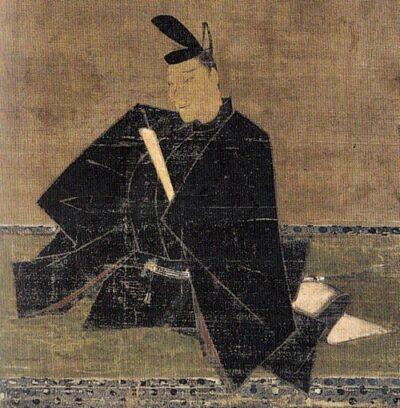
Fujiwara no Teika
Fujiwara no Teika was a poet and court noble. Born 1162, in Kyoto. Died September 26, 1241, in Kyoto. Known for Hyakunin Isshu.
Facts
22 facts · 2 confirmed by two sources · 3 cited · 17 from one source
Where this comes from
Papalocal keeps its own record. It started from these sources; what each one said is kept here as it was copied, so a change on their side never changes this page by itself. Tap one to read its version.
What Wikidata says · copied November 16, 2026 · revision 2566715264
- Described as
- poet and court noble (1162–1241)
- Other names
- Sadaiye Fujiwara, Fujiwara Sadaie, Teika Tō, Fudžiwara no Teika, Fujiawara no Sadaie, Sada-ie Fujiwara, Fujiwara no Sadaie, Sadaie Fujiwara, Myojo, Fujiwara Seika, Teika To, Sadaie Fudžiwara
- Born
- 1162 · 4 references
- Died
- September 26, 1241 · 2 references
- Born in
- Kyoto · 1 reference
- Died in
- Kyoto · 1 reference
- Buried in
- Shōkoku-ji Temple
- Citizen of
- Japan
- Occupation
- linguist; waka poet; calligrapher; writer; novelist · 1 reference; poet · 1 reference
- Worked for
- Kujō family
- Known for
- Hyakunin Isshu
- Children
- Fujiwara no Tameie; Fujiwara no Mitsuie
- Father
- Fujiwara no Toshinari
- Mother
- Bifukumon'in no Kaga · 1 reference
- Siblings
- Goshirakawain Kyōgoku no tsubone; Kenshunmon-in Chūnagon; Fujiwara no Nariie; Fujiwara no Takanobu
- Wikipedias with a page
- 37
Wikidata item Q378425 (wikidata.org/wiki/Q378425), public domain (CC0). Copied November 16, 2026.
What Wikipedia says · copied November 16, 2026 · revision 1381191640
Fujiwara no Sadaie or Teika (藤原 定家; 1162 – September 26, 1241) was a Japanese anthologist, calligrapher, literary critic, novelist, poet, and scribe of the late Heian and early Kamakura periods. His influence was enormous, and he is counted as among the greatest of Japanese poets, and perhaps the greatest master of the waka form – an ancient poetic form consisting of five lines with a total of 31 syllables.
Teika's critical ideas on composing poetry were extremely influential and studied until as late as the Meiji era. A member of a poetic clan, Teika's father was the noted poet Fujiwara no Shunzei. After coming to the attention of the Retired Emperor Go-Toba (1180–1239; r. 1183–1198), Teika began his long and distinguished career, spanning multiple areas of aesthetic endeavor. His relationship with Go-Toba was at first cordial and led to commissions to compile anthologies, but later resulted in his banishment from the retired emperor's court. His descendants and ideas would dominate classical Japanese poetry for centuries afterwards.
- Born, in its opening lines
- 1162
- Died, in its opening lines
- September 26, 1241
From the Wikipedia article “Fujiwara no Teika” (en.wikipedia.org/wiki/Fujiwara_no_Teika), by its contributors, under CC BY-SA 4.0 (creativecommons.org/licenses/by-sa/4.0/). Copied November 16, 2026; not changed.
Confirmed Two sources agree. Cited One source, and it names where it got it. One source One source, without a reference of its own. Sources disagree The sources disagree. We show the best-supported value and keep theirs below.
