
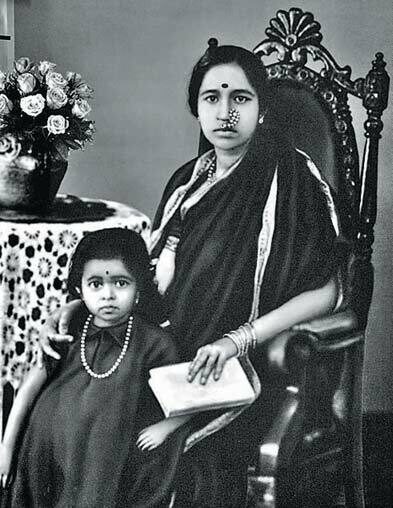
Gangubai Hangal
Gangubai Hangal was an Indian singer. Born March 5, 1913, in Hangal. Died July 21, 2009, in Hubli. Awards include Sangeet Natak Akademi Award, Padma Bhushan and Padma Vibhushan.
Facts
16 facts · 2 confirmed by two sources · 1 cited · 13 from one source
Where this comes from
Papalocal keeps its own record. It started from these sources; what each one said is kept here as it was copied, so a change on their side never changes this page by itself. Tap one to read its version.
What Wikidata says · copied November 17, 2026 · revision 2565332419
- Described as
- Indian singer (1913-2009)
- Born
- March 5, 1913 · 1 reference
- Died
- July 21, 2009 · 3 references
- Born in
- Hangal
- Died in
- Hubli
- Cause of death
- myocardial infarction
- Citizen of
- British Raj (–1947); Dominion of India (1947–1950); India (1950–)
- Occupation
- singer · 1 reference; songwriter
- Genre
- Hindustani classical music
- Instrument
- voice
- Awards
- Sangeet Natak Akademi Award (1973); Padma Bhushan (1971); Padma Vibhushan (2002); Fellow of the Sangeet Natak Akademi
- Wikipedias with a page
- 27
Wikidata item Q731422 (wikidata.org/wiki/Q731422), public domain (CC0). Copied November 17, 2026.
What Wikipedia says · copied November 17, 2026 · revision 1383696534
Gangubai Hangal (5 March 1913 – 21 July 2009) was an Indian singer of the khayal genre of Hindustani classical music from Karnataka, who was known for her deep and powerful voice. Hangal belonged to the Kirana gharana.
She was awarded the Padma Vibhushan, India's second highest civilian honour in 2002 and Sangeet Natak Akademi Fellowship, the highest award of Sangeet Natak Akademi, India's National Academy for Music and Performing Arts in 1996.
- Born, in its opening lines
- March 5, 1913
- Died, in its opening lines
- July 21, 2009
From the Wikipedia article “Gangubai Hangal” (en.wikipedia.org/wiki/Gangubai_Hangal), by its contributors, under CC BY-SA 4.0 (creativecommons.org/licenses/by-sa/4.0/). Copied November 17, 2026; not changed.
Confirmed Two sources agree. Cited One source, and it names where it got it. One source One source, without a reference of its own. Sources disagree The sources disagree. We show the best-supported value and keep theirs below.
