
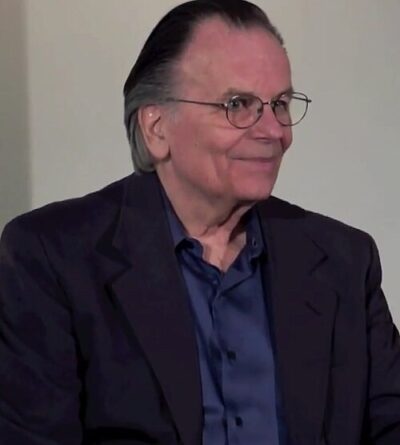
Gary Kurtz
Gary Kurtz was an American film producer. Born July 27, 1940, in Los Angeles. Died September 23, 2018, in London. Educated at University of Southern California.
Facts
13 facts · 2 confirmed by two sources · 8 cited · 3 from one source
Where this comes from
Papalocal keeps its own record. It started from these sources; what each one said is kept here as it was copied, so a change on their side never changes this page by itself. Tap one to read its version.
What Wikidata says · copied November 18, 2026 · revision 2540395485
- Described as
- American film producer (1940-2018)
- Other names
- Gary Douglas Kurtz
- Born
- July 27, 1940 · 2 references
- Died
- September 23, 2018 · 3 references
- Born in
- Los Angeles · 1 reference
- Died in
- London · 1 reference
- Cause of death
- cancer · 1 reference
- Citizen of
- United States
- Occupation
- film producer · 1 reference; film editor · 1 reference; actor; producer · 1 reference
- Education
- University of Southern California · 1 reference
- Religion
- The Church of Jesus Christ of Latter-day Saints · 1 reference; Quakers · 1 reference
- Wikipedias with a page
- 19
Wikidata item Q1494912 (wikidata.org/wiki/Q1494912), public domain (CC0). Copied November 18, 2026.
What Wikipedia says · copied November 18, 2026 · revision 1378907944
Gary Douglas Kurtz (July 27, 1940 – September 23, 2018) was an American film producer whose list of credits includes American Graffiti (1973), Star Wars (1977), The Empire Strikes Back (1980), The Dark Crystal (1982) and Return to Oz (1985). Kurtz also co-produced the 1989 science fiction adventure film Slipstream, which reunited him with Star Wars star Mark Hamill.
- Born, in its opening lines
- July 27, 1940
- Died, in its opening lines
- September 23, 2018
From the Wikipedia article “Gary Kurtz” (en.wikipedia.org/wiki/Gary_Kurtz), by its contributors, under CC BY-SA 4.0 (creativecommons.org/licenses/by-sa/4.0/). Copied November 18, 2026; not changed.
Confirmed Two sources agree. Cited One source, and it names where it got it. One source One source, without a reference of its own. Sources disagree The sources disagree. We show the best-supported value and keep theirs below.
