
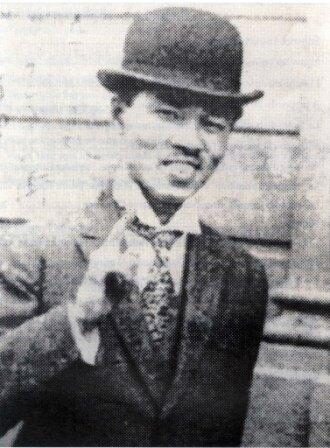
George Ohsawa
George Ohsawa was a twentieth century Japanese philosopher. Born October 18, 1893, in Shingu. Died April 23, 1966, in Tokyo.
Facts
8 facts · 2 confirmed by two sources · 0 cited · 6 from one source
Where this comes from
Papalocal keeps its own record. It started from these sources; what each one said is kept here as it was copied, so a change on their side never changes this page by itself. Tap one to read its version.
What Wikidata says · copied November 18, 2026 · revision 2571564867
- Described as
- twentieth century Japanese philosopher (1893–1966)
- Other names
- Yukikazu Sakurazawa, Musagendo Sakurazawa, Nyoiti Sakurazawa
- Born
- October 18, 1893 · 1 reference
- Died
- April 23, 1966 · 1 reference
- Born in
- Shingu
- Died in
- Tokyo
- Citizen of
- Japan; Empire of Japan (–1947)
- Occupation
- nutritionist; philosopher · 1 reference
- Wikipedias with a page
- 20
Wikidata item Q561917 (wikidata.org/wiki/Q561917), public domain (CC0). Copied November 18, 2026.
What Wikipedia says · copied November 18, 2026 · revision 1376653045
George Ohsawa (born Nyoichi Sakurazawa (櫻澤 如一); October 18, 1893 – April 23, 1966) was a Japanese author and proponent of alternative medicine who was the founder of the macrobiotic diet. When living in Europe he went by the pen names of Musagendo Sakurazawa, and Yukikazu Sakurazawa. He also used the French first name Georges while living in France, and his name is sometimes also given this spelling. He wrote about 300 books in Japanese and 20 in French. He defined health on the basis of seven criteria: lack of fatigue, good appetite, good sleep, good memory, good humour, precision of thought and action, and gratitude.
- Born, in its opening lines
- October 18, 1893
- Died, in its opening lines
- April 23, 1966
From the Wikipedia article “George Ohsawa” (en.wikipedia.org/wiki/George_Ohsawa), by its contributors, under CC BY-SA 4.0 (creativecommons.org/licenses/by-sa/4.0/). Copied November 18, 2026; not changed.
Confirmed Two sources agree. Cited One source, and it names where it got it. One source One source, without a reference of its own. Sources disagree The sources disagree. We show the best-supported value and keep theirs below.
