
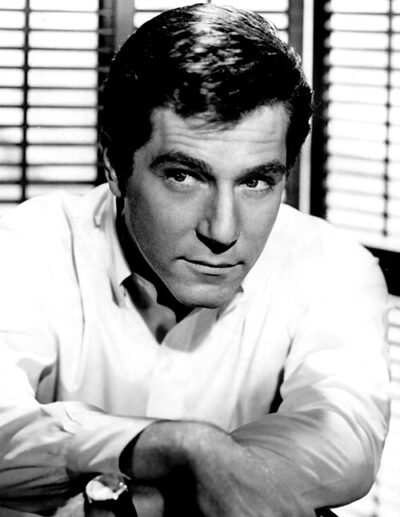
George Segal
George Segal was an American actor. Born February 13, 1934, in New York City. Died March 23, 2021, in Santa Rosa Memorial Hospital. Educated at Columbia University and Haverford College. Awards include star on Hollywood Walk of Fame, Golden Globe Award for Best Actor – Motion Picture Musical or Comedy and Praemium Imperiale.
Facts
28 facts · 2 confirmed by two sources · 5 cited · 21 from one source
Where this comes from
Papalocal keeps its own record. It started from these sources; what each one said is kept here as it was copied, so a change on their side never changes this page by itself. Tap one to read its version.
What Wikidata says · copied November 13, 2026 · revision 2567076035
- Described as
- American actor (1934–2021)
- Other names
- George Segal Jr.
- Born
- February 13, 1934 · 5 references
- Died
- March 23, 2021 · 1 reference
- Born in
- New York City
- Died in
- Santa Rosa Memorial Hospital · 1 reference
- Cause of death
- surgical complications · 1 reference
- Citizen of
- United States
- Occupation
- banjoist; stage actor; television actor; film actor; voice actor; film producer · 1 reference; actor · 2 references
- Education
- Columbia University; Haverford College; George School; HB Studio; Rutgers University; Pratt Institute
- Member of
- American Academy of Arts and Letters
- Genre
- Western
- Instrument
- banjo
- Awards
- star on Hollywood Walk of Fame · 1 reference; Golden Globe Award for Best Actor – Motion Picture Musical or Comedy (1974); Praemium Imperiale (1997) · 1 reference; John Jay Award
- Field
- acting · 1 reference
- Spouse
- Marion Segal Freed (1956–1983)
- Wikipedias with a page
- 46
Wikidata item Q449900 (wikidata.org/wiki/Q449900), public domain (CC0). Copied November 13, 2026.
What Wikipedia says · copied November 13, 2026 · revision 1384339518
George Segal Jr. (February 13, 1934 – March 23, 2021) was an American actor and musician. He became popular in the 1960s and 1970s for playing both dramatic and comedic roles. After first rising to prominence with roles in acclaimed films such as Ship of Fools (1965) and King Rat (1965), he co-starred in the drama Who's Afraid of Virginia Woolf? (1966).
Through the next decade and a half, Segal consistently starred in notable films across a variety of genres including The Quiller Memorandum (1966), The St. Valentine's Day Massacre (1967), No Way to Treat a Lady (1968), The Bridge at Remagen (1968), Where's Poppa? (1970), The Owl and the Pussycat (1970), Born to Win (1971), The Hot Rock (1972), Blume in Love (1973), A Touch of Class (1973), California Split (1974), The Terminal Man (1974), The Duchess and the Dirtwater Fox (1976), Fun with Dick and Jane (1977), Who Is Killing the Great Chefs of Europe? (1978), The Last Married Couple in America (1980), and Carbon Copy (1981). He was one of the first American film actors to rise to leading man status with an unchanged Jewish surname, helping pave the way for other major actors of his generation.
Later in his career, he appeared in supporting roles in films such as Stick (1985), Look Who's Talking (1989), For the Boys (1991), The Mirror Has Two Faces (1996), Flirting with Disaster (1996), The Cable Guy (1996), 2012 (2009), and Love & Other Drugs (2010).
He was nominated for the Academy Award for Best Supporting Actor for his performance in Who's Afraid of Virginia Woolf? and won two Golden Globe Awards, including the Golden Globe Award for Best Actor in a Motion Picture Musical or Comedy for his performance in A Touch of Class.
On television, he had regular roles in two popular sitcoms, playing Jack Gallo on Just Shoot Me! (1997–2003) and Albert "Pops" Solomon on The Goldbergs (2013–2021).
Segal also performed on the banjo, making music recordings and playing the instrument in some of his film and television appearances.
- Born, in its opening lines
- February 13, 1934
- Died, in its opening lines
- March 23, 2021
From the Wikipedia article “George Segal” (en.wikipedia.org/wiki/George_Segal), by its contributors, under CC BY-SA 4.0 (creativecommons.org/licenses/by-sa/4.0/). Copied November 13, 2026; not changed.
Confirmed Two sources agree. Cited One source, and it names where it got it. One source One source, without a reference of its own. Sources disagree The sources disagree. We show the best-supported value and keep theirs below.
