
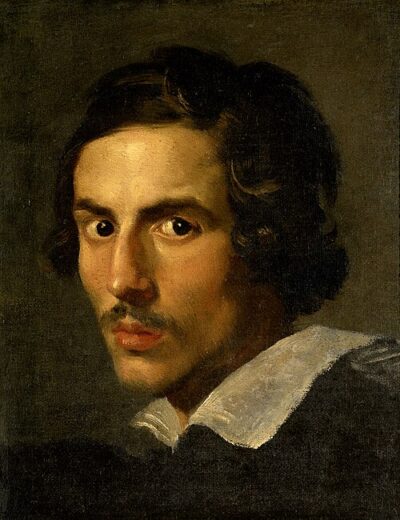
Gian Lorenzo Bernini
Gian Lorenzo Bernini was an Italian sculptor and architect. Born December 7, 1598, in Naples. Died November 28, 1680, in Rome. Known for Palazzo Barberini, Saint Peter's Square and Ecstasy of Saint Teresa.
Facts
35 facts · 2 confirmed by two sources · 17 cited · 16 from one source
Where this comes from
Papalocal keeps its own record. It started from these sources; what each one said is kept here as it was copied, so a change on their side never changes this page by itself. Tap one to read its version.
What Wikidata says · copied November 16, 2026 · revision 2567720541
- Described as
- Italian sculptor and architect (1598–1680)
- Other names
- cav.o bernino, Cavaliere Bernino, giov. lorenzo bernini, Gian Bernini, le Chev. Bernin, C. Bernin, cav.re Bernini, le Ch. Bernin, Cavalier Bernin, Gio: Lorenzo Bernini, gianlorenzo bernini, Giovanni-Lorenzo Bernini
- Born
- December 7, 1598 · 15 references
- Died
- November 28, 1680 · 14 references
- Born in
- Naples · 4 references
- Died in
- Rome · 1 reference
- Buried in
- Basilica di Santa Maria Maggiore
- Citizen of
- Italy · 1 reference
- Occupation
- sculptor · 5 references; artist · 1 reference; painter · 4 references; architect · 5 references; architectural drafter · 1 reference; designer · 1 reference
- Genre
- Christian art · 1 reference; landscape painting · 1 reference; nude · 1 reference; portrait · 1 reference; caricature · 1 reference
- Known for
- Palazzo Barberini (1629–1638); Saint Peter's Square; Ecstasy of Saint Teresa; Bust of Costanza Bonarelli; Sant'Andrea al Quirinale; Four Rivers Fountain; Portrait of Louis XIV of France · 1 reference; Neptune and Dolphin · 1 reference; Truth unveiled by Time · 1 reference; Bust of Pope Gregory XV · 1 reference
- Spouse
- Caterina Tezio
- Children
- Domenico Bernini · 1 reference
- Father
- Pietro Bernini · 1 reference
- Siblings
- Luigi Bernini · 1 reference; Giuditta Bernini
- Religion
- Catholicism
- Lived in
- House of Pietro and Gianlorenzo Bernini (Rome) (1606–1642); Palazzi Bernini
- Wikipedias with a page
- 80
Wikidata item Q160538 (wikidata.org/wiki/Q160538), public domain (CC0). Copied November 16, 2026.
What Wikipedia says · copied November 16, 2026 · revision 1381675906
Gian Lorenzo (or Gianlorenzo) Bernini (UK: , US: ; Italian: [ˈdʒan loˈrɛntso berˈniːni]; Italian Giovanni Lorenzo; 7 December 1598 – 28 November 1680) was an Italian sculptor, architect, painter and city planner. Bernini's creative abilities and mastery in a range of artistic arenas define him as an uomo universale or Renaissance man. While a major figure in the world of architecture, he was more prominently the leading sculptor of his age, credited with creating the Baroque style of sculpture.
As one scholar has commented, "What Shakespeare is to drama, Bernini may be to sculpture: the first pan-European sculptor whose name is instantaneously identifiable with a particular manner and vision, and whose influence was inordinately powerful ..." In addition, he was a painter (mostly small canvases in oil) and a man of the theatre: he wrote, directed and acted in plays (mostly Carnival satires), for which he designed stage sets and theatrical machinery. He produced designs as well for a wide variety of decorative art objects, including lamps, tables, mirrors, and even coaches.
As an architect and city planner, he designed secular buildings, churches, chapels, and public squares, as well as massive works combining both architecture and sculpture, especially elaborate public fountains and funerary monuments and a whole series of temporary structures (in stucco and wood) for funerals and festivals. His broad technical versatility, boundless compositional inventiveness and sheer skill in manipulating marble ensured that he would be considered a worthy successor of Michelangelo, far outshining other sculptors of his generation. His talent extended beyond the confines of sculpture to a consideration of the setting in which it would be situated; his ability to synthesize sculpture, painting, and architecture into a coherent conceptual and visual whole has been termed by the late art historian Irving Lavin the "unity of the visual arts".
- Born, in its opening lines
- December 7, 1598
- Died, in its opening lines
- November 28, 1680
From the Wikipedia article “Gian Lorenzo Bernini” (en.wikipedia.org/wiki/Gian_Lorenzo_Bernini), by its contributors, under CC BY-SA 4.0 (creativecommons.org/licenses/by-sa/4.0/). Copied November 16, 2026; not changed.
Confirmed Two sources agree. Cited One source, and it names where it got it. One source One source, without a reference of its own. Sources disagree The sources disagree. We show the best-supported value and keep theirs below.
