
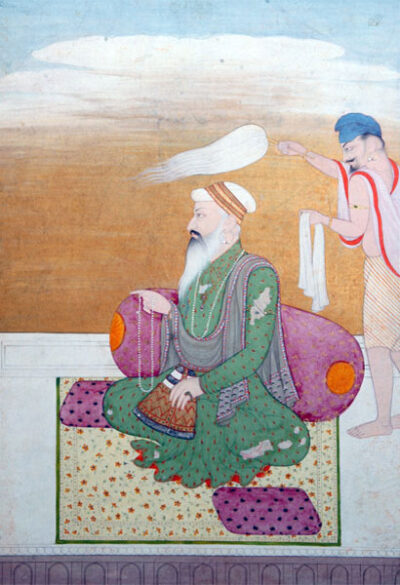
Guru Ram Das
Guru Ram Das was a guru of Sikhism. Born 1534, in Lahore. Died 1581, in Goindwal Sahib. Positions held include Sikh guru.
Facts
10 facts · 2 confirmed by two sources · 0 cited · 8 from one source
What’s different
- Born: we show 1534 (Confirmed). Wikidata also lists September 24, 1534
- Died: we show 1581 (Confirmed). Wikidata also lists September 1, 1581
Where this comes from
Papalocal keeps its own record. It started from these sources; what each one said is kept here as it was copied, so a change on their side never changes this page by itself. Tap one to read its version.
What Wikidata says · copied November 16, 2026 · revision 2569270407
- Described as
- guru of Sikhism
- Other names
- Ram Das, Guru Ramdas
- Born
- 1534 · 3 references; September 24, 1534
- Died
- 1581 · 3 references; September 1, 1581
- Born in
- Lahore
- Died in
- Goindwal Sahib
- Occupation
- clergyman; religious leader; writer
- Positions held
- Sikh guru
- Children
- Guru Arjan
- Religion
- Christianity · 1 reference
- Wikipedias with a page
- 39
Wikidata item Q335353 (wikidata.org/wiki/Q335353), public domain (CC0). Copied November 16, 2026.
What Wikipedia says · copied November 16, 2026 · revision 1382640780
Guru Ram Das (Gurmukhi: ਗੁਰੂ ਰਾਮ ਦਾਸ, pronunciation: [gʊɾuː ɾaːmᵊ d̯aːsᵊ]; 24 September 1534 – 1 September 1581), sometimes spelled as Guru Ramdas, was the fourth of the ten Sikh gurus. He was born to a family based in Lahore. His birth name was Jetha, and he was orphaned at age seven; he thereafter grew up with his maternal grandmother in a village.
At age 12, Bhai Jetha and his grandmother moved to Goindval, where they met Guru Amar Das, the third leader of Sikhism. The boy accepted the guru as his mentor, served him, and eventually joined his family by marrying his daughter. When it came time for Guru Amar Das to name his successor, he passed over his own sons and chose Bhai Jetha, citing his exemplary service, selfless devotion, and unquestioning obedience.
Renamed Ram Das ("servant of God"), Bhai Jetha became the fourth Guru of Sikhism in 1574. He faced hostility from the sons of Guru Amar Das, and shifted his official base to lands identified by Guru Amar Das as Guru-ka-Chak. He founded the town of Ramdaspur, later renamed Amritsar and known as the holiest city of Sikhism. Unlike the first three Gurus, he appointed his own son as his successor. Whereas the first four Gurus were not related to their predecessors by descent, the fifth through tenth were all direct descendants of Guru Ram Das. He served until his death in 1581.
He is remembered in the Sikh tradition for expanding the manji organization for clerical appointments and donation collections to theologically and economically support the Sikh movement. In a similar light to his predecessor, Guru Ram Das also encouraged widow remarriage.
- Born, in its opening lines
- September 24, 1534
- Died, in its opening lines
- September 1, 1581
From the Wikipedia article “Guru Ram Das” (en.wikipedia.org/wiki/Guru_Ram_Das), by its contributors, under CC BY-SA 4.0 (creativecommons.org/licenses/by-sa/4.0/). Copied November 16, 2026; not changed.
Confirmed Two sources agree. Cited One source, and it names where it got it. One source One source, without a reference of its own. Sources disagree The sources disagree. We show the best-supported value and keep theirs below.
