
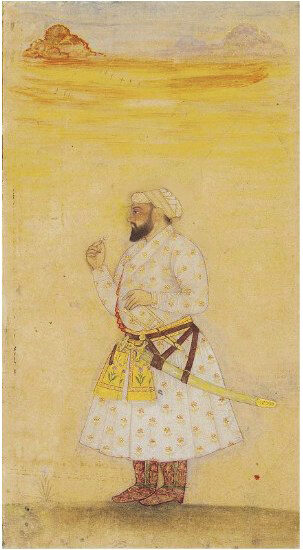
Guru Tegh Bahadur
Guru Tegh Bahadur was the ninth Guru of Sikhism. Born April 1, 1621, in Amritsar. Died November 11, 1675, in Delhi. Positions held include Sikh guru (1665–1675).
Facts
13 facts · 2 confirmed by two sources · 2 cited · 9 from one source
Where this comes from
Papalocal keeps its own record. It started from these sources; what each one said is kept here as it was copied, so a change on their side never changes this page by itself. Tap one to read its version.
What Wikidata says · copied November 16, 2026 · revision 2565092611
- Described as
- the ninth Guru of Sikhism (1621–1675)
- Other names
- Guru Teg Bahadur, Tyaga Mal, Hind-di-Chadar, Dharam-di-Chadar
- Born
- April 1, 1621
- Died
- November 11, 1675
- Born in
- Amritsar
- Died in
- Delhi · 1 reference
- Cause of death
- decapitation
- Occupation
- guru · 1 reference; religious leader; writer
- Positions held
- Sikh guru (1665–1675)
- Spouse
- Mata Gujri
- Children
- Guru Gobind Singh
- Father
- Guru Hargobind
- Religion
- Sikhism
- Wikipedias with a page
- 42
Wikidata item Q2019145 (wikidata.org/wiki/Q2019145), public domain (CC0). Copied November 16, 2026.
What Wikipedia says · copied November 16, 2026 · revision 1384804957
Guru Tegh Bahadur (Punjabi: ਗੁਰੂ ਤੇਗ਼ ਬਹਾਦਰ (Gurmukhi); Punjabi pronunciation: [gʊɾuː t̯eːɣ bəɦaːd̯ʊɾᵊ], Teġ Bahādur; 1 April 1621 – 11 November 1675) was the ninth of ten gurus who founded the Sikh religion and was the leader of Sikhs from 1664 until his beheading in 1675. He was born in Amritsar, Punjab, India in 1621 and was the youngest son of Guru Hargobind, the sixth Sikh guru. Considered a principled and fearless warrior, he was a learned spiritual scholar and a poet whose 115 hymns are included in the Guru Granth Sahib, which is the main text of Sikhism. He was the founder of Anandpur Sahib in 1664.
Guru Tegh Bahadur was executed on the orders of Aurangzeb, the sixth Mughal emperor, in Delhi, India. Sikh holy premises Gurudwara Sis Ganj Sahib and Gurdwara Rakab Ganj Sahib in Delhi mark the places of execution and cremation of Guru Tegh Bahadur. His day of martyrdom (Shaheedi Divas) is commemorated in India every year on 24 November.
Historical sources differ on the reasons for the conflict between Guru Tegh Bahadur and Aurangzeb, and the subsequent execution of the Guru. Sikh accounts state that the Guru defended the freedom and rights of non-Muslims against the intolerant policies of Aurangzeb, while Mughal ones state that the Guru was forcibly collecting taxes from non-Muslims in the Punjab region. In addition, members of the Guru's family who were pretenders to the position of the guruship played a role in instigating Aurangzeb's hostility to the Guru.
- Born, in its opening lines
- April 1, 1621
- Died, in its opening lines
- November 11, 1675
From the Wikipedia article “Guru Tegh Bahadur” (en.wikipedia.org/wiki/Guru_Tegh_Bahadur), by its contributors, under CC BY-SA 4.0 (creativecommons.org/licenses/by-sa/4.0/). Copied November 16, 2026; not changed.
Confirmed Two sources agree. Cited One source, and it names where it got it. One source One source, without a reference of its own. Sources disagree The sources disagree. We show the best-supported value and keep theirs below.
