
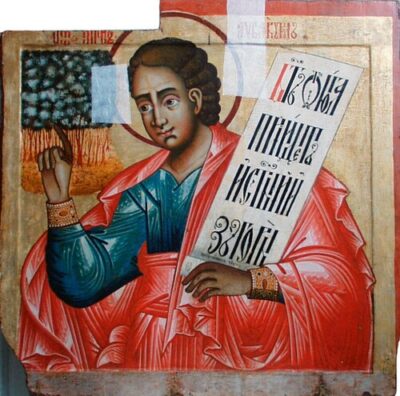
Habakkuk
Habakkuk was a biblical prophet associated to the Book of Habakkuk. Born 626 BC. Died 6th century BC, in Judea. Known for Book of Habakkuk.
Facts
6 facts · 0 confirmed by two sources · 0 cited · 5 from one source · 1 where the sources disagree
What’s different
- Buried in: we show Habakkuk Mausoleum (Tuyserkan) (Sources disagree). Wikidata also lists Habakkuk Tomb (Kadarim)
Where this comes from
Papalocal keeps its own record. It started from these sources; what each one said is kept here as it was copied, so a change on their side never changes this page by itself. Tap one to read its version.
What Wikidata says · copied November 16, 2026 · revision 2569138838
- Described as
- biblical prophet associated to the Book of Habakkuk
- Other names
- Habakuk
- Born
- 626 BC
- Died
- 6th century BC
- Died in
- Judea · 1 reference
- Buried in
- Habakkuk Mausoleum (Tuyserkan); Habakkuk Tomb (Kadarim)
- Occupation
- prophet
- Known for
- Book of Habakkuk
- Wikipedias with a page
- 51
Wikidata item Q135106 (wikidata.org/wiki/Q135106), public domain (CC0). Copied November 16, 2026.
What Wikipedia says · copied November 16, 2026 · revision 1359564765
Habakkuk, or Habacuc, who was active around 612 BC, was a prophet whose oracles and prayer are recorded in the Book of Habakkuk, the eighth of the collected twelve minor prophets in the Hebrew Bible. He is revered by Jews, Christians, and Muslims.
Almost all information about Habakkuk is drawn from the book of the Bible bearing his name, with no biographical details provided other than his title, "the prophet". He is mentioned in the deuterocanonical Additions to Daniel, and outside the Bible, he is mentioned over the centuries in the forms of Christian and Rabbinic tradition.
From the Wikipedia article “Habakkuk” (en.wikipedia.org/wiki/Habakkuk), by its contributors, under CC BY-SA 4.0 (creativecommons.org/licenses/by-sa/4.0/). Copied November 16, 2026; not changed.
Confirmed Two sources agree. Cited One source, and it names where it got it. One source One source, without a reference of its own. Sources disagree The sources disagree. We show the best-supported value and keep theirs below.
