
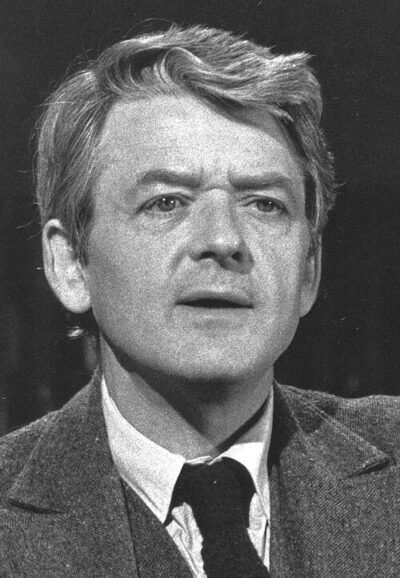
Hal Holbrook
Hal Holbrook was an American actor. Born February 17, 1925, in Cleveland. Died January 23, 2021, in Beverly Hills. Known for North & South. Educated at Denison University and Culver Academies. Awards include National Humanities Medal, Tony Award for Best Actor in a Play and Primetime Emmy Award for Outstanding Lead Actor in a Drama Series.
Facts
31 facts · 2 confirmed by two sources · 8 cited · 21 from one source
Where this comes from
Papalocal keeps its own record. It started from these sources; what each one said is kept here as it was copied, so a change on their side never changes this page by itself. Tap one to read its version.
What Wikidata says · copied November 13, 2026 · revision 2548430406
- Described as
- American actor (1925–2021)
- Other names
- Harold Rowe Holbrook Jr.
- Born
- February 17, 1925 · 4 references
- Died
- January 23, 2021 · 1 reference
- Born in
- Cleveland · 1 reference
- Died in
- Beverly Hills · 1 reference
- Buried in
- McLemoresville Cemetery
- Name at birth
- Harold Rowe Holbrook Jr.
- Citizen of
- United States
- Occupation
- character actor; stage actor; film actor; television actor; screenwriter · 1 reference; actor · 2 references; director · 1 reference
- Education
- Denison University · 1 reference; Culver Academies · 1 reference; HB Studio
- Known for
- North & South · 1 reference
- Awards
- National Humanities Medal (2003) · 1 reference; Tony Award for Best Actor in a Play (1966); Primetime Emmy Award for Outstanding Lead Actor in a Drama Series (1971); Primetime Emmy Award for Outstanding Hosted Nonfiction Series or Special; Primetime Emmy Award for Outstanding Lead Actor in a Miniseries or a Movie
- Field
- acting · 1 reference; television direction · 1 reference
- Spouse
- Dixie Carter (1984–2010); Carol Eve Rossen (1966–1983); Ruby Holbrook
- Children
- Victoria Holbrook
- Father
- Harold Rowe Holbrook · 1 reference
- Lived in
- Beverly Hills
- Wikipedias with a page
- 93
Wikidata item Q314801 (wikidata.org/wiki/Q314801), public domain (CC0). Copied November 13, 2026.
What Wikipedia says · copied November 13, 2026 · revision 1375987714
Harold Rowe Holbrook Jr. (February 17, 1925 – January 23, 2021) was an American actor. He first received critical acclaim in 1954 for a one-man stage show, titled Mark Twain Tonight!, that he developed while studying at Denison University. He won the Tony Award for Best Actor in a Play in 1966 for his portrayal of Twain. He continued to perform his signature role for more than 60 years, retiring the show in 2017 due to his failing health. Throughout his career, he also won five Primetime Emmy Awards for his work on television and was nominated for an Academy Award for his work in film.
Holbrook made his film debut in Sidney Lumet's The Group (1966). He later gained international fame for his performance as Deep Throat in the 1976 film All the President's Men. He played Abraham Lincoln in the 1974 miniseries Lincoln and the 1985 miniseries North and South. He also appeared in films such as Magnum Force (1973), Julia, Capricorn One (both 1977), The Fog (1980), Creepshow (1982), Wall Street (1987), The Firm (1993), Hercules (1997) and Men of Honor (2000).
Holbrook's role as Ron Franz in Sean Penn's Into the Wild (2007) earned nominations for both an Academy Award and a Screen Actors Guild Award in the best supporting actor category. In 2009, he received critical acclaim for his performance as recently retired farmer Abner Meecham in the independent film That Evening Sun. He also portrayed Francis Preston Blair in Steven Spielberg's Lincoln (2012).
In 2003, Holbrook was honored with the National Humanities Medal by President George W. Bush.
- Born, in its opening lines
- February 17, 1925
- Died, in its opening lines
- January 23, 2021
From the Wikipedia article “Hal Holbrook” (en.wikipedia.org/wiki/Hal_Holbrook), by its contributors, under CC BY-SA 4.0 (creativecommons.org/licenses/by-sa/4.0/). Copied November 13, 2026; not changed.
Confirmed Two sources agree. Cited One source, and it names where it got it. One source One source, without a reference of its own. Sources disagree The sources disagree. We show the best-supported value and keep theirs below.
