
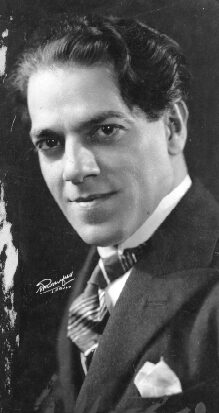
Heitor Villa-Lobos
Heitor Villa-Lobos was a Brazilian composer. Born March 5, 1887, in Rio de Janeiro. Died November 17, 1959, in Rio de Janeiro. Known for String Quartet No. 14, Chôros No. 1 and String Quartet No. 3. Awards include honorary doctor of the University of Miami, Commander of the Legion of Honour and Livro dos Heróis e Heroínas da Pátria.
Facts
32 facts · 2 confirmed by two sources · 14 cited · 16 from one source
Where this comes from
Papalocal keeps its own record. It started from these sources; what each one said is kept here as it was copied, so a change on their side never changes this page by itself. Tap one to read its version.
What Wikidata says · copied November 16, 2026 · revision 2565543892
- Described as
- Brazilian composer (1887–1959)
- Born
- March 5, 1887 · 13 references
- Died
- November 17, 1959 · 14 references
- Born in
- Rio de Janeiro · 5 references
- Died in
- Rio de Janeiro · 5 references
- Buried in
- Cemitério de São João Batista · 1 reference
- Name at birth
- Heitor Villa-Lobos · 1 reference
- Citizen of
- Brazil · 1 reference
- Occupation
- composer · 2 references; choreographer; conductor · 2 references; musicologist; secondary school teacher; classical guitarist; pianist · 1 reference; guitarist · 1 reference
- Member of
- National Academy of Fine Arts (Argentina); Academia Brasileira de Música · 1 reference
- Genre
- opera; symphony
- Instrument
- guitar
- Known for
- String Quartet No. 14; Chôros No. 1; String Quartet No. 3; Bachianas Brasileiras
- Awards
- honorary doctor of the University of Miami (1954) · 1 reference; Commander of the Legion of Honour · 1 reference; Livro dos Heróis e Heroínas da Pátria
- Field
- music · 1 reference; classical music · 1 reference; guitar · 1 reference
- Spouse
- Arminda Villa-Lobos · 1 reference
- Father
- Raul Villa-Lobos
- Wikipedias with a page
- 53
Wikidata item Q203514 (wikidata.org/wiki/Q203514), public domain (CC0). Copied November 16, 2026.
What Wikipedia says · copied November 16, 2026 · revision 1369956286
Heitor Villa-Lobos (March 5, 1887 – November 17, 1959) was a Brazilian composer, conductor, cellist, and classical guitarist described as "the single most significant creative figure in 20th-century Brazilian art music". Villa-Lobos has globally become one of the most recognizable South American composers in music history. A prolific composer, he wrote many orchestral, chamber, instrumental and vocal works, totaling over 2,000 pieces by his death in 1959. His music was influenced by both Brazilian folk music and stylistic elements from the European classical tradition, as exemplified by his Bachianas Brasileiras (Brazilian Bach-pieces) and his Chôros. His Etudes for classical guitar (1929), dedicated to Andrés Segovia, and his 5 Preludes (1940), dedicated to his spouse Arminda Neves d'Almeida, a.k.a. "Mindinha", are important works in the classical guitar repertory.
- Born, in its opening lines
- March 5, 1887
- Died, in its opening lines
- November 17, 1959
From the Wikipedia article “Heitor Villa-Lobos” (en.wikipedia.org/wiki/Heitor_Villa-Lobos), by its contributors, under CC BY-SA 4.0 (creativecommons.org/licenses/by-sa/4.0/). Copied November 16, 2026; not changed.
Confirmed Two sources agree. Cited One source, and it names where it got it. One source One source, without a reference of its own. Sources disagree The sources disagree. We show the best-supported value and keep theirs below.
