
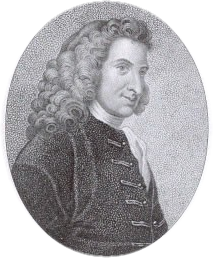
Henry Fielding
Henry Fielding was an English novelist and dramatist. Born April 22, 1707, in Sharpham. Died October 8, 1754, in Lisbon. Positions held include judge. Educated at Eton College and Leiden University.
Facts
34 facts · 2 confirmed by two sources · 21 cited · 11 from one source
Where this comes from
Papalocal keeps its own record. It started from these sources; what each one said is kept here as it was copied, so a change on their side never changes this page by itself. Tap one to read its version.
What Wikidata says · copied November 16, 2026 · revision 2568733497
- Described as
- English novelist and dramatist (1707–1754)
- Other names
- Henri Fielding, Henri Filding, Petrus Gualterus, Hercules Vinegar, Scriblerus Secundus, Conny Keyber, Enrique Fielding, John Trottplaid, Alexander Drawcansir, Lemuel Gulliver, Genri Filʹding
- Born
- April 22, 1707 · 15 references
- Died
- October 8, 1754 · 15 references
- Born in
- Sharpham
- Died in
- Lisbon · 3 references
- Buried in
- British Cemetery
- Cause of death
- liver cirrhosis
- Citizen of
- Kingdom of Great Britain
- Occupation
- writer · 4 references; journalist · 1 reference; jurist · 2 references; judge; novelist · 1 reference; playwright · 1 reference; poet lawyer; magistrate · 1 reference
- Positions held
- judge
- Education
- Eton College (1719–1724) · 1 reference; Leiden University · 1 reference
- Genre
- satire; picaresque novel · 1 reference
- Spouse
- Charlotte Craddock (1734–) · 2 references; Mary Daniel (1747–) · 2 references
- Children
- Henrietta Fielding · 1 reference; William Fielding · 1 reference; Allen Fielding · 1 reference
- Father
- Edmund Fielding · 2 references
- Mother
- Sarah Gould · 2 references
- Siblings
- Sarah Fielding · 1 reference; Edmund Feilding · 1 reference; Anne Feilding · 1 reference; Catherine Feilding · 1 reference; Ursula Feilding · 1 reference; Beatrice Feilding · 1 reference; John Fielding
- Wikipedias with a page
- 82
Wikidata item Q34190 (wikidata.org/wiki/Q34190), public domain (CC0). Copied November 16, 2026.
What Wikipedia says · copied November 16, 2026 · revision 1372736761
Henry Fielding (22 April 1707 – 8 October 1754) was an English writer and judge known for the use of humour and satire in his works. His famous novels include Shamela (1741), Joseph Andrews (1742), The History of Tom Jones, a Foundling (1749) and Amelia (1751). Along with Samuel Richardson, Fielding is seen as the founder of the traditional English novel. As well as being a novelist, Fielding was also a playwright, known for his satirical comedies The Author's Farce (1730), Tom Thumb (1730), The Letter Writers (1731) and The Tragedy of Tragedies (1731). He also played an important role in the history of law enforcement in the United Kingdom, using his authority as a magistrate to found the Bow Street Runners, London's first professional police force.
- Born, in its opening lines
- April 22, 1707
- Died, in its opening lines
- October 8, 1754
From the Wikipedia article “Henry Fielding” (en.wikipedia.org/wiki/Henry_Fielding), by its contributors, under CC BY-SA 4.0 (creativecommons.org/licenses/by-sa/4.0/). Copied November 16, 2026; not changed.
Confirmed Two sources agree. Cited One source, and it names where it got it. One source One source, without a reference of its own. Sources disagree The sources disagree. We show the best-supported value and keep theirs below.
