
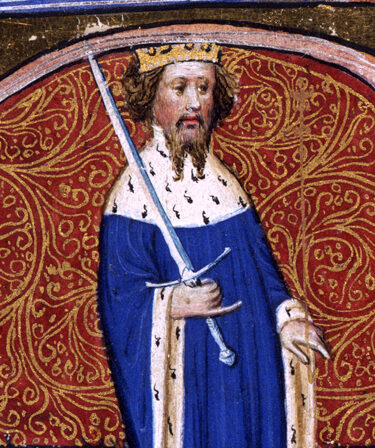
Henry IV of England
Henry IV of England was a King of England from 1399 to 1413. Born April 15, 1367, in Bolingbroke Castle. Died March 20, 1413, in Westminster. Positions held include Monarch of England (1399–1413), Lord of Ireland (1399–1413) and Lord High Steward (1399–). Awards include Knight of the Garter.
Facts
30 facts · 2 confirmed by two sources · 14 cited · 14 from one source
Where this comes from
Papalocal keeps its own record. It started from these sources; what each one said is kept here as it was copied, so a change on their side never changes this page by itself. Tap one to read its version.
What Wikidata says · copied November 16, 2026 · revision 2569840436
- Described as
- King of England from 1399 to 1413
- Other names
- King Henry IV, King Henry Bolingbroke, King Henry IV of England, Henry IV, Henry Bolingbroke
- Born
- April 15, 1367 · 1 reference
- Died
- March 20, 1413 · 3 references
- Born in
- Bolingbroke Castle · 1 reference
- Died in
- Westminster · 1 reference
- Buried in
- Canterbury Cathedral
- Citizen of
- Kingdom of England
- Occupation
- monarch
- Positions held
- Monarch of England (1399–1413); Lord of Ireland (1399–1413); Lord High Steward (1399–)
- Awards
- Knight of the Garter (1377) · 1 reference
- Spouse
- Mary de Bohun (1381–1394) · 2 references; Joan of Navarre (1403–1413) · 2 references
- Children
- Henry V of England · 1 reference; John of Lancaster, Duke of Bedford; Humphrey of Lancaster, 1st Duke of Gloucester · 1 reference; Blanche of England · 2 references; Philippa of England · 1 reference; Edward Plantagenet · 1 reference; Thomas of Lancaster, 1st Duke of Clarence · 2 references
- Father
- John of Gaunt · 1 reference
- Mother
- Blanche of Lancaster · 1 reference
- Siblings
- Elizabeth of Lancaster, Duchess of Exeter · 1 reference; Catherine of Lancaster; Philippa of Lancaster · 1 reference; Joan Beaufort, Countess of Westmorland; John Beaufort, 1st Earl of Somerset; Thomas Beaufort, Duke of Exeter; Henry Beaufort; Blanche Plantagenet · 1 reference
- Wikipedias with a page
- 75
Wikidata item Q161866 (wikidata.org/wiki/Q161866), public domain (CC0). Copied November 16, 2026.
What Wikipedia says · copied November 16, 2026 · revision 1385722378
Henry IV (c. April 1367 – 20 March 1413), also known as Henry Bolingbroke (having been born at Bolingbroke Castle), was King of England from 1399 to 1413, Lord of Ireland and duke of Aquitaine. Henry was the son of John of Gaunt, Duke of Lancaster, and a grandson of King Edward III.
When Henry came of age, he was involved in the 1388 revolt of the Lords Appellant against his first cousin, King Richard II. Henry was later exiled from England in 1397. After Henry's father died in 1399, Richard blocked Henry's inheritance to the holdings of the House of Lancaster. So, Henry rallied Lancastrian supporters, imprisoned Richard II and formally deposed him, usurping the throne. These actions later contributed to dynastic disputes in the Wars of the Roses (1455–1487).
Henry was the first English ruler whose mother tongue was English (rather than French) since the Norman Conquest, over 300 years earlier. He was also the first monarch to come from the House of Lancaster. As king, he faced a number of rebellions, most seriously those of Owain Glyndŵr, the last Welshman to claim the title of Prince of Wales, and the English knight Henry Percy (Hotspur), who was killed in the Battle of Shrewsbury in 1403. Henry IV had six children from his first marriage to Mary de Bohun, while his second marriage to Joan of Navarre produced no surviving children. Henry and Mary's eldest son, Henry of Monmouth, assumed the reins of government in 1410 as the king's health worsened. Henry IV died in 1413, and his son succeeded him as Henry V.
- Born, in its opening lines
- April 1367
- Died, in its opening lines
- March 20, 1413
From the Wikipedia article “Henry IV of England” (en.wikipedia.org/wiki/Henry_IV_of_England), by its contributors, under CC BY-SA 4.0 (creativecommons.org/licenses/by-sa/4.0/). Copied November 16, 2026; not changed.
Confirmed Two sources agree. Cited One source, and it names where it got it. One source One source, without a reference of its own. Sources disagree The sources disagree. We show the best-supported value and keep theirs below.
