
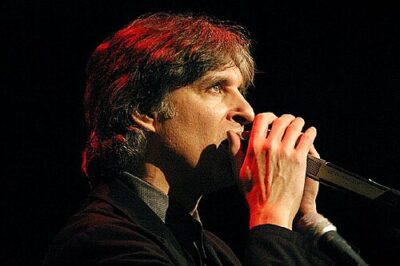
Howard Levy is an American musician. Born July 31, 1951, in Brooklyn. Educated at Poly Prep Country Day School.
Facts
12 facts · 1 confirmed by two sources · 3 cited · 8 from one source
Where this comes from
Papalocal keeps its own record. It started from these sources; what each one said is kept here as it was copied, so a change on their side never changes this page by itself. Tap one to read its version.
What Wikidata says · copied November 18, 2026 · revision 2553665052
- Described as
- American musician
- Born
- July 31, 1951 · 2 references
- Born in
- Brooklyn · 1 reference
- Citizen of
- United States
- Occupation
- harmonicist; pianist · 1 reference; jazz musician · 1 reference; musician · 1 reference
- Education
- Poly Prep Country Day School
- Genre
- jazz
- Instrument
- harmonica; piano
- Website
- http://www.levyland.com/
- Wikipedias with a page
- 15
Wikidata item Q1631859 (wikidata.org/wiki/Q1631859), public domain (CC0). Copied November 18, 2026.
What Wikipedia says · copied November 18, 2026 · revision 1351938755
Howard Levy (born July 31, 1951) is an American musician. A keyboardist and virtuoso harmonica player, he "has been realistically presented as one of the most important and radical harmonica innovators of the twentieth century."
In 1988, Levy was a founding member of Béla Fleck and the Flecktones, with whom he won a 1997 Grammy Award for Best Pop Instrumental Performance for the song "The Sinister Minister". He also won a Grammy for Best Instrumental Composition in 2012 for "Life in Eleven", a song written with Béla Fleck for the Flecktones' album Rocket Science (2011). He has worked with Arab-fusion musician Rabih Abou-Khalil, Latin jazz saxophonist Paquito D'Rivera, Donald Fagen, and Paul Simon.
- Born, in its opening lines
- July 31, 1951
From the Wikipedia article “Howard Levy” (en.wikipedia.org/wiki/Howard_Levy), by its contributors, under CC BY-SA 4.0 (creativecommons.org/licenses/by-sa/4.0/). Copied November 18, 2026; not changed.
Confirmed Two sources agree. Cited One source, and it names where it got it. One source One source, without a reference of its own. Sources disagree The sources disagree. We show the best-supported value and keep theirs below.
