
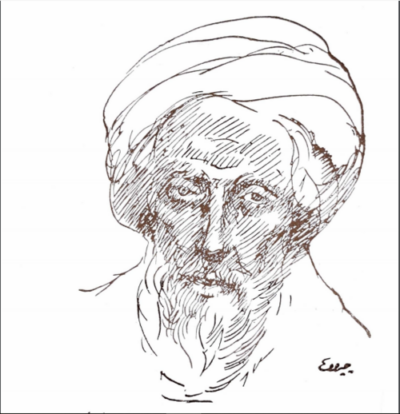
Ibn al-Farid was a Sufi poet. Born March 22, 1181, in Cairo. Died January 23, 1235, in Cairo.
Facts
12 facts · 0 confirmed by two sources · 9 cited · 3 from one source
Where this comes from
Papalocal keeps its own record. It started from these sources; what each one said is kept here as it was copied, so a change on their side never changes this page by itself. Tap one to read its version.
What Wikidata says · copied November 16, 2026 · revision 2558936221
- Described as
- Sufi poet
- Other names
- Omar Ibn Al Faridh, ʿUmar bin ʿAli Ibn al-Farid
- Born
- March 22, 1181 · 1 reference
- Died
- January 23, 1235 · 1 reference
- Born in
- Cairo · 1 reference
- Died in
- Cairo
- Buried in
- Mokattam
- Occupation
- poet · 2 references; philosopher · 1 reference; writer · 1 reference; Sufi · 1 reference
- Field
- creative and professional writing · 1 reference; poetry · 1 reference
- Religion
- Islam
- Wikipedias with a page
- 29
Wikidata item Q203142 (wikidata.org/wiki/Q203142), public domain (CC0). Copied November 16, 2026.
What Wikipedia says · copied November 16, 2026 · revision 1385888832
Ibn al-Farid or Ibn Farid; (Arabic: عمر بن علي بن الفارض, ʿUmar ibn ʿAlī ibn al-Fāriḍ) (22 March 1181 – 1234) was an Arab poet as well as a Sufi waliullah. His name is Arabic for "son of the obligator" (the one who divides the inheritance between the inheritors), as his father was well regarded for his work in the legal sphere. He was born in Cairo to parents from Hama in modern Syria, lived for some time in Mecca, and died in Cairo. His poetry is full of Sufi inspiration and imagery, and he was esteemed as the greatest mystic poet of the Arabs. Some of his poems are said to have been written in ecstasies.
Ibn al-Fāriḍ was arguably the most celebrated Sufi poet in the pre-modern Islamic world, with his poetry admired across both Arabic and Persian speaking regions. The Persian poet Jami is known to have written a commentary on Ibn al-Fāriḍ's poems, and Sa'id al-Din Farghani also authored a Persian commentary on his work
From the Wikipedia article “Ibn al-Farid” (en.wikipedia.org/wiki/Ibn_al-Farid), by its contributors, under CC BY-SA 4.0 (creativecommons.org/licenses/by-sa/4.0/). Copied November 16, 2026; not changed.
Confirmed Two sources agree. Cited One source, and it names where it got it. One source One source, without a reference of its own. Sources disagree The sources disagree. We show the best-supported value and keep theirs below.
