
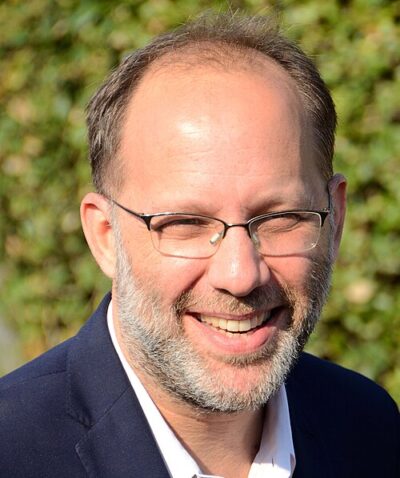
Ira Sachs is an American filmmaker. Born November 21, 1965, in Memphis. Educated at Yale University. Awards include Sundance Film Festival U.S. Dramatic Grand Jury Prize Award and Guggenheim Fellowship.
Facts
19 facts · 1 confirmed by two sources · 10 cited · 8 from one source
Where this comes from
Papalocal keeps its own record. It started from these sources; what each one said is kept here as it was copied, so a change on their side never changes this page by itself. Tap one to read its version.
What Wikidata says · copied November 16, 2026 · revision 2568947103
- Described as
- American filmmaker (born 1965)
- Born
- November 21, 1965 · 2 references
- Born in
- Memphis · 1 reference
- Citizen of
- United States · 1 reference
- Occupation
- film director; screenwriter; film producer · 1 reference; writer; film screenwriter · 1 reference; director · 1 reference
- Education
- Yale University
- Awards
- Sundance Film Festival U.S. Dramatic Grand Jury Prize Award (2005); Guggenheim Fellowship (2013) · 1 reference
- Field
- film · 1 reference; film direction · 1 reference; film screenwriting · 1 reference
- Spouse
- Boris Torres · 1 reference
- Religion
- Judaism · 1 reference
- Lived in
- New York; Memphis
- Wikipedias with a page
- 21
Wikidata item Q50182 (wikidata.org/wiki/Q50182), public domain (CC0). Copied November 16, 2026.
What Wikipedia says · copied November 16, 2026 · revision 1385514707
Ira Sachs (born November 21, 1965) is an American filmmaker. Sachs started his career directing short films such as Vaudeville (1991) and Lady (1993) before making his feature film debut with The Delta (1996). Sachs later won acclaim for his dramatic independent films Forty Shades of Blue (2005), Keep the Lights On (2012), Love Is Strange (2014), Little Men (2016), and Passages (2023).
- Born, in its opening lines
- November 21, 1965
From the Wikipedia article “Ira Sachs” (en.wikipedia.org/wiki/Ira_Sachs), by its contributors, under CC BY-SA 4.0 (creativecommons.org/licenses/by-sa/4.0/). Copied November 16, 2026; not changed.
Confirmed Two sources agree. Cited One source, and it names where it got it. One source One source, without a reference of its own. Sources disagree The sources disagree. We show the best-supported value and keep theirs below.
