
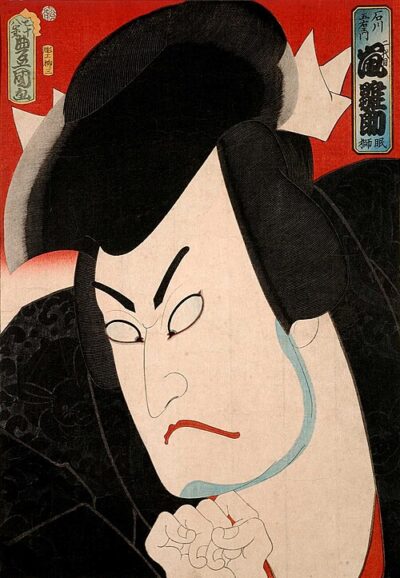
Ishikawa Goemon was a Japanese outlaw. Born August 24, 1558, in Iga Province. Died October 8, 1594, in Sanjō Riverbed.
Facts
10 facts · 2 confirmed by two sources · 0 cited · 8 from one source
Where this comes from
Papalocal keeps its own record. It started from these sources; what each one said is kept here as it was copied, so a change on their side never changes this page by itself. Tap one to read its version.
What Wikidata says · copied November 17, 2026 · revision 2568088991
- Described as
- Japanese outlaw
- Born
- August 24, 1558
- Died
- October 8, 1594
- Born in
- Iga Province
- Died in
- Sanjō Riverbed
- Buried in
- Daiun-in Temple
- Cause of death
- death by boiling
- Citizen of
- Japan
- Occupation
- ninja; poet; military personnel · 1 reference
- Wikipedias with a page
- 25
Wikidata item Q707279 (wikidata.org/wiki/Q707279), public domain (CC0). Copied November 17, 2026.
What Wikipedia says · copied November 17, 2026 · revision 1380891332
Ishikawa Goemon (石川 五右衛門, Ishikawa Goemon; Japanese pronunciation: [ì.ɕi̥.kä́.β̞ä́ | ɡò̞.é̞.mó̞ɴ́, -β̞ä́ ɡó̞-], August 24, 1558 – October 8, 1594) was the leader of a group of bandits during the Azuchi-Momoyama period in Japan. Over time, and especially during the Edo period (1603–1867), his life and deeds became a center of attention, and he became known as a legendary Japanese outlaw hero who stole gold and other valuables to give to the poor.
He and his son were boiled alive in public after their failed assassination attempt on the Sengoku period warlord Toyotomi Hideyoshi. His legend lives on in contemporary Japanese popular culture, often giving him greatly exaggerated ninja skills.
- Born, in its opening lines
- August 24, 1558
- Died, in its opening lines
- October 8, 1594
From the Wikipedia article “Ishikawa Goemon” (en.wikipedia.org/wiki/Ishikawa_Goemon), by its contributors, under CC BY-SA 4.0 (creativecommons.org/licenses/by-sa/4.0/). Copied November 17, 2026; not changed.
Confirmed Two sources agree. Cited One source, and it names where it got it. One source One source, without a reference of its own. Sources disagree The sources disagree. We show the best-supported value and keep theirs below.
