
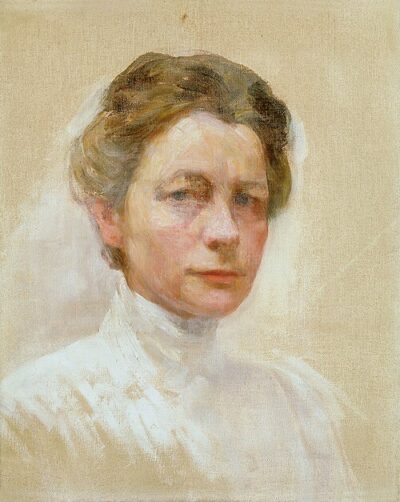
Ivana Kobilca
Ivana Kobilca was a Slovenian artist. Born December 20, 1861, in Ljubljana. Died December 4, 1926, in Ljubljana.
Facts
11 facts · 2 confirmed by two sources · 5 cited · 4 from one source
Where this comes from
Papalocal keeps its own record. It started from these sources; what each one said is kept here as it was copied, so a change on their side never changes this page by itself. Tap one to read its version.
What Wikidata says · copied November 16, 2026 · revision 2567257962
- Described as
- Slovenian artist (1861–1926)
- Other names
- Ivana Marija Kobilca, Ivana Kobilica
- Born
- December 20, 1861 · 4 references
- Died
- December 4, 1926 · 3 references
- Born in
- Ljubljana · 3 references
- Died in
- Ljubljana · 4 references
- Name at birth
- Ivana Marija Kobilca
- Citizen of
- Kingdom of Serbs, Croats and Slovenes; Cisleithania
- Occupation
- painter · 1 reference; artist · 1 reference
- Genre
- portrait
- Field
- painting · 1 reference
- Wikipedias with a page
- 32
Wikidata item Q236878 (wikidata.org/wiki/Q236878), public domain (CC0). Copied November 16, 2026.
What Wikipedia says · copied November 16, 2026 · revision 1376593389
Ivana Kobilca (20 December 1861 – 4 December 1926) was a Slovene painter, and is considered the most prominent painter and a key figure of Slovene cultural identity. She was a realist painter who studied and worked in Vienna, Munich, Paris, Sarajevo, Berlin, and Ljubljana. She mostly painted oil paintings and pastels, whereas her drawings are few. The themes include still life, portraits, genre works, allegories, and religious scenes. She was a controversial person, criticized for following movements that had not developed further in later periods.
- Born, in its opening lines
- December 20, 1861
- Died, in its opening lines
- December 4, 1926
From the Wikipedia article “Ivana Kobilca” (en.wikipedia.org/wiki/Ivana_Kobilca), by its contributors, under CC BY-SA 4.0 (creativecommons.org/licenses/by-sa/4.0/). Copied November 16, 2026; not changed.
Confirmed Two sources agree. Cited One source, and it names where it got it. One source One source, without a reference of its own. Sources disagree The sources disagree. We show the best-supported value and keep theirs below.
