
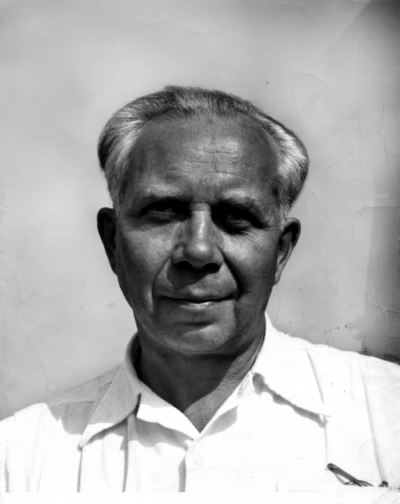
Ivar Lo-Johansson
Ivar Lo-Johansson was a Swedish writer. Born February 23, 1901, in Nynäshamn. Died April 11, 1990, in Stockholm. Awards include Dobloug Prize (2 times), Nordic Council Literature Prize and Samfundet De Nio's Grand Prize.
Facts
23 facts · 2 confirmed by two sources · 3 cited · 18 from one source
Where this comes from
Papalocal keeps its own record. It started from these sources; what each one said is kept here as it was copied, so a change on their side never changes this page by itself. Tap one to read its version.
What Wikidata says · copied November 16, 2026 · revision 2563602003
- Described as
- Swedish writer (1901-1990)
- Born
- February 23, 1901 · 3 references
- Died
- April 11, 1990 · 4 references
- Born in
- Nynäshamn
- Died in
- Stockholm · 1 reference
- Buried in
- Skogskyrkogården · 1 reference
- Citizen of
- Sweden
- Occupation
- writer · 2 references; journalist; novelist; poet · 1 reference; autobiographer · 1 reference; short story writer
- Genre
- short novel; proletarian literature
- Awards
- Dobloug Prize (2 times) (1953, 1973); Nordic Council Literature Prize (1979); Samfundet De Nio's Grand Prize (1941); honorary doctor of the University of Uppsala; Officer of Arts and Letters (1986); Ivar Lo Award (1986); Hedevind Plaquette (1982)
- Father
- Johan Gottfrid Jansson
- Mother
- Anna Lovisa Andersson
- Wikipedias with a page
- 28
Wikidata item Q267242 (wikidata.org/wiki/Q267242), public domain (CC0). Copied November 16, 2026.
What Wikipedia says · copied November 16, 2026 · revision 1371714820
Ivar Lo-Johansson (23 February 1901 – 11 April 1990) was a Swedish writer of the proletarian school. His autobiographical 1978 memoir, Pubertet (Puberty), won the Nordic Council's Literature Prize in 1979.
- Born, in its opening lines
- February 23, 1901
- Died, in its opening lines
- April 11, 1990
From the Wikipedia article “Ivar Lo-Johansson” (en.wikipedia.org/wiki/Ivar_Lo-Johansson), by its contributors, under CC BY-SA 4.0 (creativecommons.org/licenses/by-sa/4.0/). Copied November 16, 2026; not changed.
Confirmed Two sources agree. Cited One source, and it names where it got it. One source One source, without a reference of its own. Sources disagree The sources disagree. We show the best-supported value and keep theirs below.
