
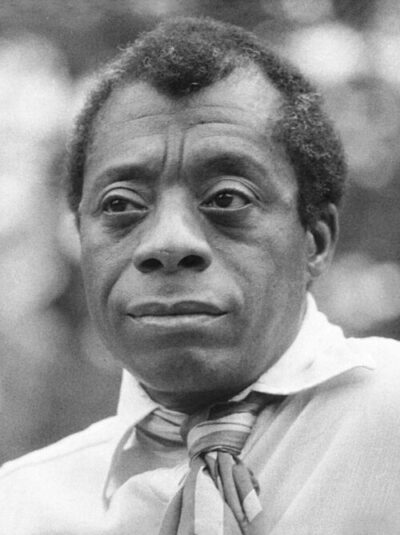
James Baldwin
James Baldwin was an American writer. Born August 2, 1924, in Harlem. Died December 1, 1987, in Saint-Paul-de-Vence. Known for Go Tell It on the Mountain, Giovanni's Room and Notes of a Native Son. Educated at The New School and Bowling Green State University. Awards include Guggenheim Fellowship, George Polk Award and Langston Hughes Medal.
Facts
41 facts · 2 confirmed by two sources · 14 cited · 25 from one source
Where this comes from
Papalocal keeps its own record. It started from these sources; what each one said is kept here as it was copied, so a change on their side never changes this page by itself. Tap one to read its version.
What Wikidata says · copied November 13, 2026 · revision 2565593676
- Described as
- American writer (1924–1987)
- Other names
- Jimmy Baldwin, James Arthur Baldwin
- Born
- August 2, 1924 · 12 references
- Died
- December 1, 1987 · 12 references
- Born in
- Harlem · 2 references
- Died in
- Saint-Paul-de-Vence · 2 references
- Buried in
- Ferncliff Cemetery · 2 references
- Cause of death
- stomach cancer · 1 reference
- Name at birth
- James Arthur Jones
- Citizen of
- United States; France · 1 reference
- Occupation
- poet; novelist · 1 reference; playwright · 3 references; civil rights advocate · 1 reference; essayist · 1 reference; social critic; screenwriter; university teacher
- Worked for
- Mount Holyoke College; Hampshire College; Amherst College · 1 reference
- Education
- The New School; Bowling Green State University; DeWitt Clinton High School
- Member of
- American Academy of Arts and Letters; PEN America
- Genre
- essay
- Known for
- Go Tell It on the Mountain; Giovanni's Room; Notes of a Native Son
- Awards
- Guggenheim Fellowship (1954) · 1 reference; George Polk Award (1962); Langston Hughes Medal (1978) · 2 references; Commander of the Legion of Honour; VH1 Trailblazer Honors (2018); honorary doctorate from the University of Nice-Sophia Antipolis (1982) · 1 reference
- Siblings
- David Baldwin; Gloria Karefa-Smart
- Religion
- atheism (1941–) · 1 reference
- Lived in
- Saint-Paul-de-Vence (1970–1987) · 1 reference; James Baldwin House · 1 reference; Paris · 1 reference
- Wikipedias with a page
- 81
Wikidata item Q273210 (wikidata.org/wiki/Q273210), public domain (CC0). Copied November 13, 2026.
What Wikipedia says · copied November 13, 2026 · revision 1385184585
James Arthur Baldwin (né Jones; August 2, 1924 – December 1, 1987) was an American writer and civil rights activist who garnered acclaim for his essays, novels, plays, and poems. His 1953 novel Go Tell It on the Mountain has been ranked by Time magazine as one of the top 100 English-language novels. His 1955 essay collection Notes of a Native Son helped establish his reputation as a voice for human equality. His 1965 debate with William F. Buckley is regarded as one of the most influential debates. Baldwin was an impactful public figure and orator, especially during the civil rights movement in the United States.
Baldwin's fiction posed fundamental personal questions and dilemmas amid complex social and psychological pressures. Themes of masculinity, sexuality, race, and class intertwine to create intricate narratives that influenced both the civil rights movement and the gay liberation movement in mid-20th-century America. His protagonists are often, but not exclusively, African-American, and gay and bisexual men feature prominently in his work (as in his 1956 novel Giovanni's Room). His characters typically face internal and external obstacles in their search for self- and social acceptance.
Baldwin's work continues to influence artists and writers. His unfinished manuscript Remember This House was expanded and adapted as the 2016 documentary film I Am Not Your Negro, winning the BAFTA Award for Best Documentary. His 1974 novel If Beale Street Could Talk was adapted into a 2018 film of the same name, which earned widespread praise.
- Born, in its opening lines
- August 2, 1924
- Died, in its opening lines
- December 1, 1987
From the Wikipedia article “James Baldwin” (en.wikipedia.org/wiki/James_Baldwin), by its contributors, under CC BY-SA 4.0 (creativecommons.org/licenses/by-sa/4.0/). Copied November 13, 2026; not changed.
Confirmed Two sources agree. Cited One source, and it names where it got it. One source One source, without a reference of its own. Sources disagree The sources disagree. We show the best-supported value and keep theirs below.
