
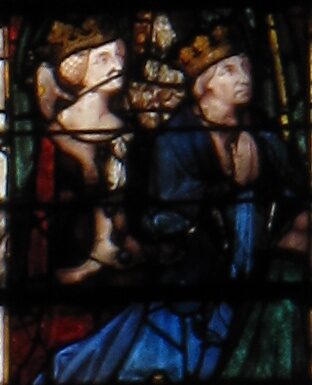
James II, Count of La Marche
James II, Count of La Marche was a French noble. Born 1370. Died September 24, 1438, in Besançon. Positions held include Grand Chamberlain of France.
Facts
14 facts · 2 confirmed by two sources · 0 cited · 12 from one source
Where this comes from
Papalocal keeps its own record. It started from these sources; what each one said is kept here as it was copied, so a change on their side never changes this page by itself. Tap one to read its version.
What Wikidata says · copied November 18, 2026 · revision 2548906770
- Described as
- French noble
- Other names
- James II of Bourbon-La Marche
- Born
- 1370
- Died
- September 24, 1438
- Died in
- Besançon
- Citizen of
- France
- Occupation
- condottiero
- Positions held
- Grand Chamberlain of France
- Spouse
- Joanna II of Naples (1415–) · 1 reference; Beatrice of Navarre, Countess of La Marche (1406–) · 1 reference
- Children
- Eleanor of Bourbon-La Marche
- Father
- John I, Count of La Marche
- Mother
- Catherine of Vendôme
- Siblings
- Louis, Count of Vendôme; Anne de Bourbon; Charlotte de Bourbon
- Wikipedias with a page
- 22
Wikidata item Q249642 (wikidata.org/wiki/Q249642), public domain (CC0). Copied November 18, 2026.
What Wikipedia says · copied November 18, 2026 · revision 1376373319
James II of Bourbon-La Marche (1370 – 1438 in Besançon) was count of La Marche. He was captured at the battle of Nicopolis in 1396, later being ransomed. In 1403, James led an attack on English soil and burned Plymouth. He married Queen Joanna II of Naples in 1415, and was largely unpopular being imprisoned then forced to leave the kingdom of Naples in 1419. James relinquished his titles and became a monk in 1435. He died in 1438.
- Born, in its opening lines
- 1370
- Died, in its opening lines
- 1438
From the Wikipedia article “James II of La Marche” (en.wikipedia.org/wiki/James_II_of_La_Marche), by its contributors, under CC BY-SA 4.0 (creativecommons.org/licenses/by-sa/4.0/). Copied November 18, 2026; not changed.
Confirmed Two sources agree. Cited One source, and it names where it got it. One source One source, without a reference of its own. Sources disagree The sources disagree. We show the best-supported value and keep theirs below.
