
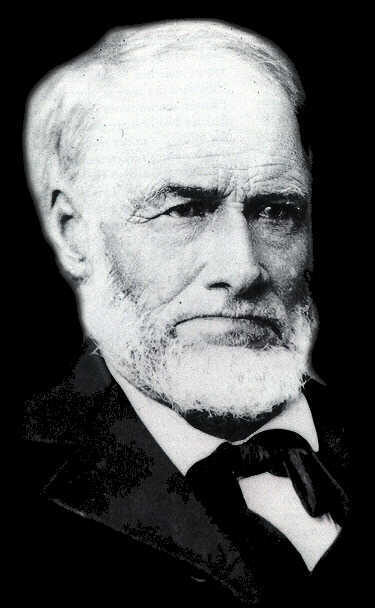
James W. Marshall
James W. Marshall was an American cabinetmaker,doctor of the California Gold Rush. Born October 8, 1810, in Hopewell Township. Died August 10, 1885, in Kelsey.
Facts
9 facts · 2 confirmed by two sources · 1 cited · 6 from one source
Where this comes from
Papalocal keeps its own record. It started from these sources; what each one said is kept here as it was copied, so a change on their side never changes this page by itself. Tap one to read its version.
What Wikidata says · copied November 18, 2026 · revision 2510578670
- Described as
- American cabinetmaker,doctor of the California Gold Rush (1810-1885)
- Other names
- James Wilson Marshall
- Born
- October 8, 1810 · 2 references
- Died
- August 10, 1885 · 2 references
- Born in
- Hopewell Township
- Died in
- Kelsey
- Citizen of
- United States
- Occupation
- joiner; carpenter; explorer · 1 reference
- Lived in
- James W. Marshall House · 1 reference
- Wikipedias with a page
- 17
Wikidata item Q253373 (wikidata.org/wiki/Q253373), public domain (CC0). Copied November 18, 2026.
What Wikipedia says · copied November 18, 2026 · revision 1380316193
James Wilson Marshall (October 8, 1810 – August 10, 1885) was an American carpenter and sawmill operator, who on January 24, 1848, reported the finding of gold at Coloma, California, a small settlement on the American River about 36 miles northeast of Sacramento. His discovery was the impetus for the California gold rush. The mill property was owned by Johann (John) Sutter who employed Marshall to build his mill. The wave of gold seekers turned everyone's attention away from the mill which eventually fell into disrepair and was never used as intended. Neither Marshall nor Sutter ever profited from the gold find.
- Born, in its opening lines
- October 8, 1810
- Died, in its opening lines
- August 10, 1885
From the Wikipedia article “James W. Marshall” (en.wikipedia.org/wiki/James_W._Marshall), by its contributors, under CC BY-SA 4.0 (creativecommons.org/licenses/by-sa/4.0/). Copied November 18, 2026; not changed.
Confirmed Two sources agree. Cited One source, and it names where it got it. One source One source, without a reference of its own. Sources disagree The sources disagree. We show the best-supported value and keep theirs below.
