
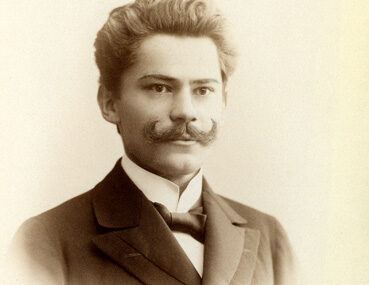
Jan Szczepanik
Jan Szczepanik was a Polish inventor. Born June 13, 1872, in Mostyska. Died April 18, 1926, in Tarnów.
Facts
12 facts · 2 confirmed by two sources · 5 cited · 5 from one source
Where this comes from
Papalocal keeps its own record. It started from these sources; what each one said is kept here as it was copied, so a change on their side never changes this page by itself. Tap one to read its version.
What Wikidata says · copied November 18, 2026 · revision 2557083529
- Described as
- Polish inventor (1872-1926)
- Other names
- Polish Edison, Leonardo da Vinci from Galicia, Galician genius
- Born
- June 13, 1872 · 2 references
- Died
- April 18, 1926 · 1 reference
- Born in
- Mostyska · 1 reference
- Died in
- Tarnów · 2 references
- Buried in
- Old Cemetery
- Cause of death
- liver cancer
- Citizen of
- Second Polish Republic (1918–); Cisleithania (–1918)
- Occupation
- inventor · 1 reference; chemist; teacher · 1 reference; technician · 1 reference
- Wikipedias with a page
- 20
Wikidata item Q706295 (wikidata.org/wiki/Q706295), public domain (CC0). Copied November 18, 2026.
What Wikipedia says · copied November 18, 2026 · revision 1373323389
Jan Szczepanik (June 13, 1872 – April 18, 1926) was a Polish inventor, with several hundred patents and over 50 discoveries to his name, many of which are still applied today, especially in the motion picture industry, as well as in photography and television. Some of his concepts developed the future evolution of TV broadcasting, such as the telectroscope (an apparatus for distant reproduction of images and sound using electricity) or the wireless telegraph, which greatly affected the development of telecommunications. He died in Tarnów in the Second Polish Republic.
- Born, in its opening lines
- June 13, 1872
- Died, in its opening lines
- April 18, 1926
From the Wikipedia article “Jan Szczepanik” (en.wikipedia.org/wiki/Jan_Szczepanik), by its contributors, under CC BY-SA 4.0 (creativecommons.org/licenses/by-sa/4.0/). Copied November 18, 2026; not changed.
Confirmed Two sources agree. Cited One source, and it names where it got it. One source One source, without a reference of its own. Sources disagree The sources disagree. We show the best-supported value and keep theirs below.
