
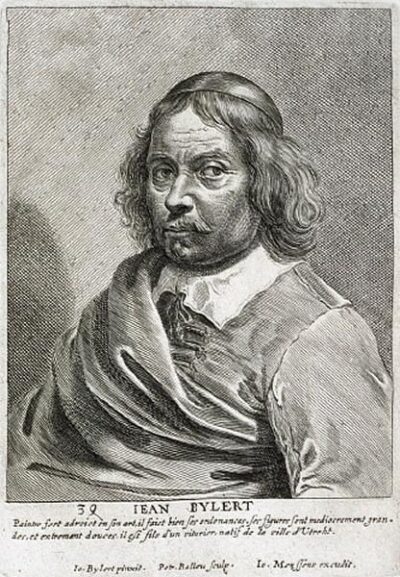
Jan van Bijlert was a Dutch painter (c.1597–1671). Born 1597, in Utrecht. Died November 13, 1671, in Utrecht. Known for The lute player, Portrait of a woman and Woman praying.
Facts
14 facts · 0 confirmed by two sources · 5 cited · 9 from one source
Where this comes from
Papalocal keeps its own record. It started from these sources; what each one said is kept here as it was copied, so a change on their side never changes this page by itself. Tap one to read its version.
What Wikidata says · copied November 18, 2026 · revision 2551485362
- Described as
- Dutch painter (c.1597–1671)
- Other names
- Jan Harmensz. Van Bylerton, Jan van Bijler, Jan Harmensz. Van Bijlert, Jan van Bijlart, Jan Harmensz. Van Bylert, Jan Harmensz., van Bylert, Jan van Bylert, Jan van Bylest, Jan Hermansz. van Bijlert, Jean Bylert, Jan van Bylaert, Jan Hermansz. van Bylert
- Born
- 1597 · 5 references
- Died
- November 13, 1671
- Born in
- Utrecht · 1 reference
- Died in
- Utrecht · 1 reference
- Name at birth
- Jan Hermansz van Bijlert
- Citizen of
- Dutch Republic
- Occupation
- painter · 2 references; draftsperson · 1 reference
- Member of
- Bentvueghels
- Known for
- The lute player; Portrait of a woman; Woman praying; The Feast of the Gods
- Field
- painting · 1 reference
- Wikipedias with a page
- 20
Wikidata item Q758925 (wikidata.org/wiki/Q758925), public domain (CC0). Copied November 18, 2026.
What Wikipedia says · copied November 18, 2026 · revision 1366098208
Jan Hermansz van Bijlert (1597 or 1598 – November 1671) was a Dutch Golden Age painter from Utrecht, one of the Utrecht Caravaggisti whose style was influenced by Caravaggio. He spent some four years in Italy and was one of the founders of the Bentvueghels circle of northern painters in Rome.
From the Wikipedia article “Jan van Bijlert” (en.wikipedia.org/wiki/Jan_van_Bijlert), by its contributors, under CC BY-SA 4.0 (creativecommons.org/licenses/by-sa/4.0/). Copied November 18, 2026; not changed.
Confirmed Two sources agree. Cited One source, and it names where it got it. One source One source, without a reference of its own. Sources disagree The sources disagree. We show the best-supported value and keep theirs below.
