
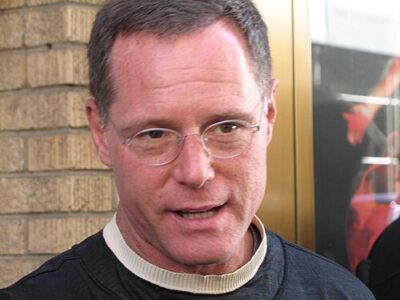
Jason Beghe
Jason Beghe is an US actor. Born March 12, 1960, in New York City. Educated at Pomona College and Collegiate School.
Facts
9 facts · 1 confirmed by two sources · 2 cited · 6 from one source
Where this comes from
Papalocal keeps its own record. It started from these sources; what each one said is kept here as it was copied, so a change on their side never changes this page by itself. Tap one to read its version.
What Wikidata says · copied November 15, 2026 · revision 2567713047
- Described as
- US actor
- Other names
- Jason Deneen Beghe
- Born
- March 12, 1960 · 2 references
- Born in
- New York City · 1 reference
- Citizen of
- United States
- Occupation
- actor; television actor; film actor · 1 reference
- Education
- Pomona College; Collegiate School
- Lived in
- Nichols Canyon
- Wikipedias with a page
- 31
Wikidata item Q944681 (wikidata.org/wiki/Q944681), public domain (CC0). Copied November 15, 2026.
What Wikipedia says · copied November 15, 2026 · revision 1383893187
Jason Deneen Beghe (; born March 12, 1960) is an American actor and producer. Since 2014, he has starred in the NBC TV series Chicago P.D. as Sergeant Hank Voight. He is also known for starring in the 1988 George A. Romero film Monkey Shines, playing Demi Moore's love interest in G.I. Jane, appearing as a police officer in the film Thelma & Louise, starring opposite Moira Kelly in the television series To Have & to Hold, and having recurring roles on Picket Fences, Melrose Place, Chicago Hope, American Dreams, Cane, and Californication.
Beghe is a former Scientologist. He began taking Scientology courses in 1994 and later appeared in a Church of Scientology advertising campaign and in promotional videos. Beghe left the church in 2007.
- Born, in its opening lines
- March 12, 1960
From the Wikipedia article “Jason Beghe” (en.wikipedia.org/wiki/Jason_Beghe), by its contributors, under CC BY-SA 4.0 (creativecommons.org/licenses/by-sa/4.0/). Copied November 15, 2026; not changed.
Confirmed Two sources agree. Cited One source, and it names where it got it. One source One source, without a reference of its own. Sources disagree The sources disagree. We show the best-supported value and keep theirs below.
