
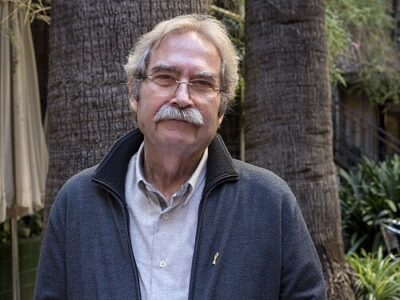
Jaume Cabré
Jaume Cabré is a Spanish writer. Born April 30, 1947, in Barcelona. Known for Confessions. Educated at University of Barcelona. Awards include Serra d'Or Critics' Prize for Literature and Essays, Prudenci Bertrana Prize (2 times) and Premi Sant Jordi de novel·la.
Facts
29 facts · 0 confirmed by two sources · 11 cited · 18 from one source
Where this comes from
Papalocal keeps its own record. It started from these sources; what each one said is kept here as it was copied, so a change on their side never changes this page by itself. Tap one to read its version.
What Wikidata says · copied November 18, 2026 · revision 2565612849
- Described as
- Spanish writer
- Other names
- Jaume Cabre, Jaume Cabre I Fabre, Jaume Cabré i Fabré
- Born
- April 30, 1947 · 3 references
- Born in
- Barcelona · 1 reference
- Citizen of
- Spain
- Occupation
- writer · 1 reference; screenwriter · 1 reference; literary critic; university teacher; philologist · 1 reference; politician; librettist
- Worked for
- University of Lleida
- Education
- University of Barcelona
- Member of
- Philological Section of the Institute for Catalan Studies (2000–) · 1 reference
- Known for
- Confessions
- Awards
- Serra d'Or Critics' Prize for Literature and Essays (1985); Prudenci Bertrana Prize (2 times) (1983, 1992); Premi Sant Jordi de novel·la (1983); Premi de la Crítica de narrativa catalana (4 times) (1985, 1992, 2005, 2012); Joan Crexells award (2 times) (1991, 2011); Gold Letter (1997); Jaume Fuster Award (2003); Premi El setè cel de Salt (2007); Premi d'Honor de les Lletres Catalanes (2010); Premi de Narrativa Maria Àngels Anglada (2012) · 1 reference; Prix Courrier International du meilleur roman étranger (2013) · 1 reference; Saint George's Cross (2014) · 1 reference; premi Trajectòria (2017) · 1 reference; prix Jean-Morer (2014) · 1 reference
- Website
- http://jaumecabre.cat/
- Wikipedias with a page
- 22
Wikidata item Q614296 (wikidata.org/wiki/Q614296), public domain (CC0). Copied November 18, 2026.
What Wikipedia says · copied November 18, 2026 · revision 1370353721
Jaume Cabré i Fabré (Catalan pronunciation: [ˈʒawmə kəˈβɾe]; born 1947) is a Catalan philologist, novelist and screenwriter. He was one of the founders of the Catalan literary collective, Ofèlia Dracs.
He was born in Barcelona and grew up in Terrassa. He graduated in Catalan Philology from the University of Barcelona, is a high-school teacher on leave of absence, professor at the University of Lleida, and a member of the Philological Section of the Institut d'Estudis Catalans.
During many years he has combined literary writing with teaching. He has also worked in television and cinematographic scriptwriting. He collaborated with Joaquim Maria Puyal as creator and scriptwriter of the first Catalan television series: La Granja (1989–1992), followed by other shows like Estació d'Enllaç (1994–1998), Crims (2000) and the made-for-television movies La dama blanca (1987), Nines russes (2003) and Sara (2003). He also wrote, together with Jaume Fuster, Vicenç Villatoro and Antoni Verdaguer, the script for Antoni Verdaguer's films La teranyina (1990), based on his novel, and Havanera (1993).
From the Wikipedia article “Jaume Cabré” (en.wikipedia.org/wiki/Jaume_Cabré), by its contributors, under CC BY-SA 4.0 (creativecommons.org/licenses/by-sa/4.0/). Copied November 18, 2026; not changed.
Confirmed Two sources agree. Cited One source, and it names where it got it. One source One source, without a reference of its own. Sources disagree The sources disagree. We show the best-supported value and keep theirs below.
