
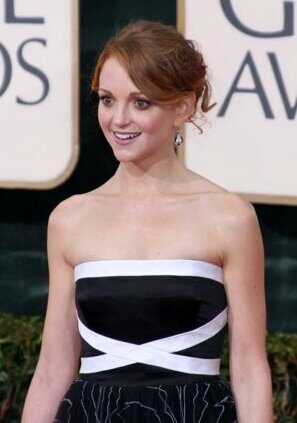
Jayma Mays
Jayma Mays is an American actress. Born July 16, 1979, in Bristol. Educated at Radford University and Virginia Tech.
Facts
16 facts · 1 confirmed by two sources · 2 cited · 13 from one source
Where this comes from
Papalocal keeps its own record. It started from these sources; what each one said is kept here as it was copied, so a change on their side never changes this page by itself. Tap one to read its version.
What Wikidata says · copied November 13, 2026 · revision 2566779706
- Described as
- American actress
- Other names
- Jayma Suzette Mays
- Born
- July 16, 1979 · 1 reference
- Born in
- Bristol
- Name at birth
- Jamia Suzette Mays
- Citizen of
- United States
- Occupation
- singer; actor · 1 reference; film actor; television actor; voice actor
- Education
- Radford University; Virginia Tech; Grundy Senior High School · 1 reference; Southwest Virginia Community College
- Instrument
- voice
- Field
- film acting · 1 reference
- Spouse
- Adam Campbell (2007–)
- Wikipedias with a page
- 41
Wikidata item Q231006 (wikidata.org/wiki/Q231006), public domain (CC0). Copied November 13, 2026.
What Wikipedia says · copied November 13, 2026 · revision 1383604381
Jamia Suzette "Jayma" Mays (born July 16, 1979) is an American actress. She is known for playing Emma Pillsbury in the Fox musical series Glee (2009–2015) and for her starring roles in the films Red Eye (2005), Paul Blart: Mall Cop (2009) and The Smurfs (2011). She is also known for portraying Debbie in the sitcom The Millers (2013–2014) and her recurring role as Charlie Andrews on the NBC sci-fi series Heroes (2006–2010). Mays starred as prosecutor Carol Anne Keane in the NBC sitcom Trial & Error (2017–2018).
- Born, in its opening lines
- July 16, 1979
From the Wikipedia article “Jayma Mays” (en.wikipedia.org/wiki/Jayma_Mays), by its contributors, under CC BY-SA 4.0 (creativecommons.org/licenses/by-sa/4.0/). Copied November 13, 2026; not changed.
Confirmed Two sources agree. Cited One source, and it names where it got it. One source One source, without a reference of its own. Sources disagree The sources disagree. We show the best-supported value and keep theirs below.
